


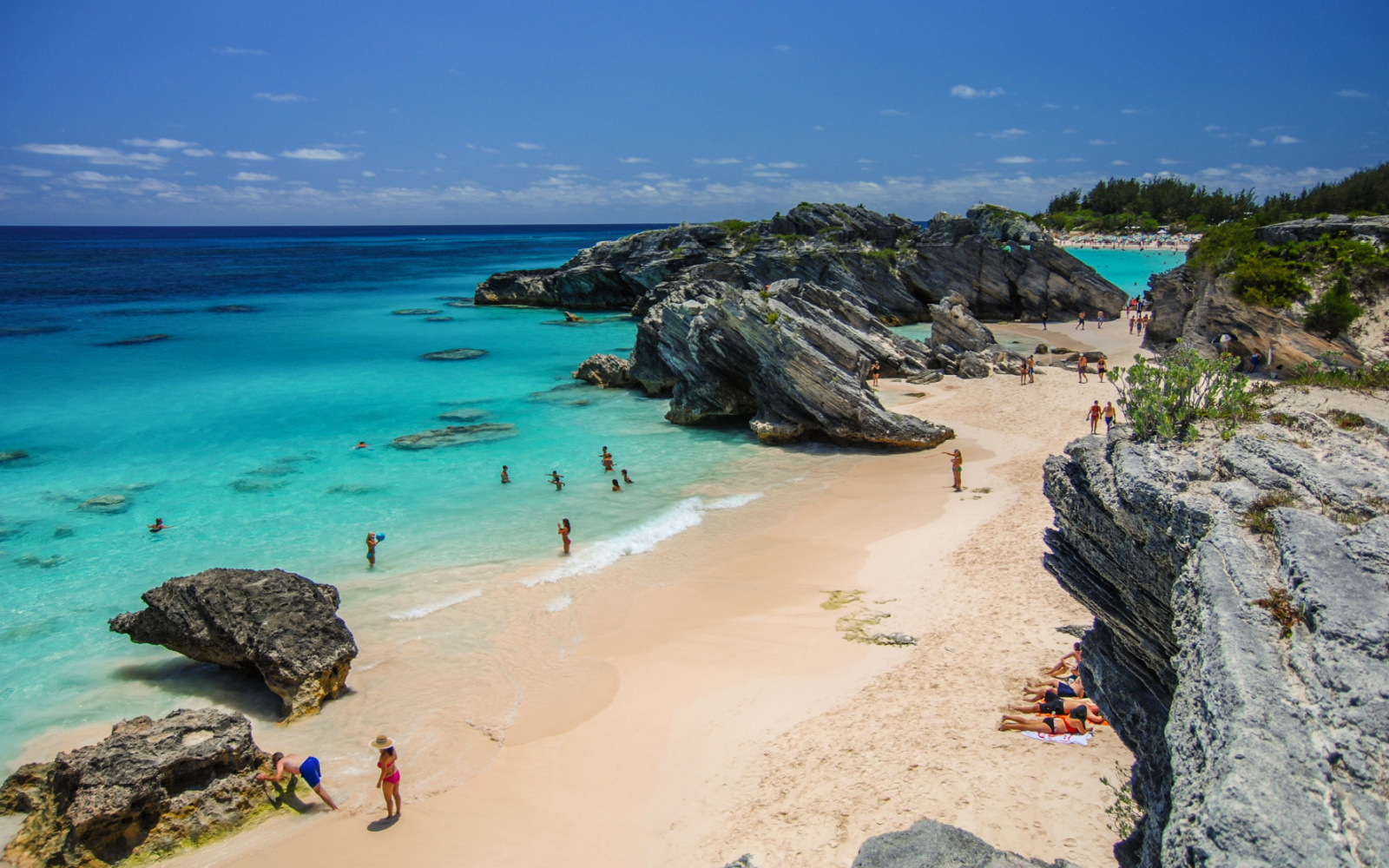
Bermuda is rated Level 1 by the US State Department as of April 2026, meaning exercise normal precautions. The island is safe for most visitors, with the primary risks being rip currents at popular beaches, petty theft in tourist areas, and strict drug enforcement. Violent crime affecting tourists is uncommon.


Bermuda is one of the safer destinations in the Atlantic. The US State Department rates it at Level 1 as of April 2026, its lowest advisory tier, meaning travelers should exercise normal precautions. For most visitors, the primary safety considerations are beach conditions and petty theft rather than crime. Violent incidents targeting tourists are uncommon, though not unheard of, and the island’s tourism-dependent economy means popular areas are actively policed and patrolled.
Is Bermuda Safe to Visit in 2026?
Darryl Brooks/Shutterstock
Yes. The US State Department’s April 2026 advisory rates Bermuda at Level 1, the safest category, describing it as “a generally safe destination for travelers.” The UK Foreign, Commonwealth and Development Office (FCDO) similarly does not issue a specific risk warning beyond its standard guidance for the island, which is a British Overseas Territory.
Bermuda’s crime rate is low to moderate compared with the United States. Violent crime affecting tourists is rare; what does occur is mostly concentrated in residential areas of Hamilton that visitors rarely have cause to enter. The island’s economy depends heavily on tourism, and the Bermuda Police Service maintains a visible presence in popular visitor areas.
That said, Bermuda is not without risk. The State Department’s most recent advisory specifically highlights three areas of concern for visitors: petty theft, beach and ocean safety, and drug laws. Each is covered below.
Crime in Bermuda
Andrew F. Kazmierski/Shutterstock
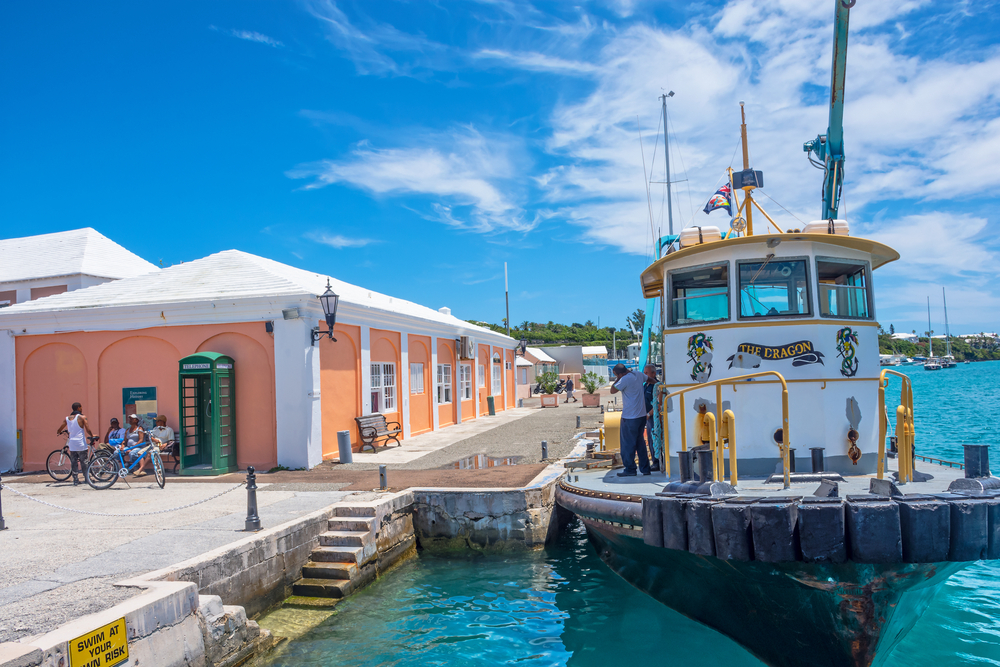
Most crime in Bermuda that affects visitors falls into the category of petty theft. The State Department’s advisory specifically flags valuables left unattended in public areas, in unsecured hotel rooms, and on rental scooters as the most common targets. Purse snatching by thieves on motorbikes has been reported, and pickpocketing occurs in busy tourist areas and on public transportation.
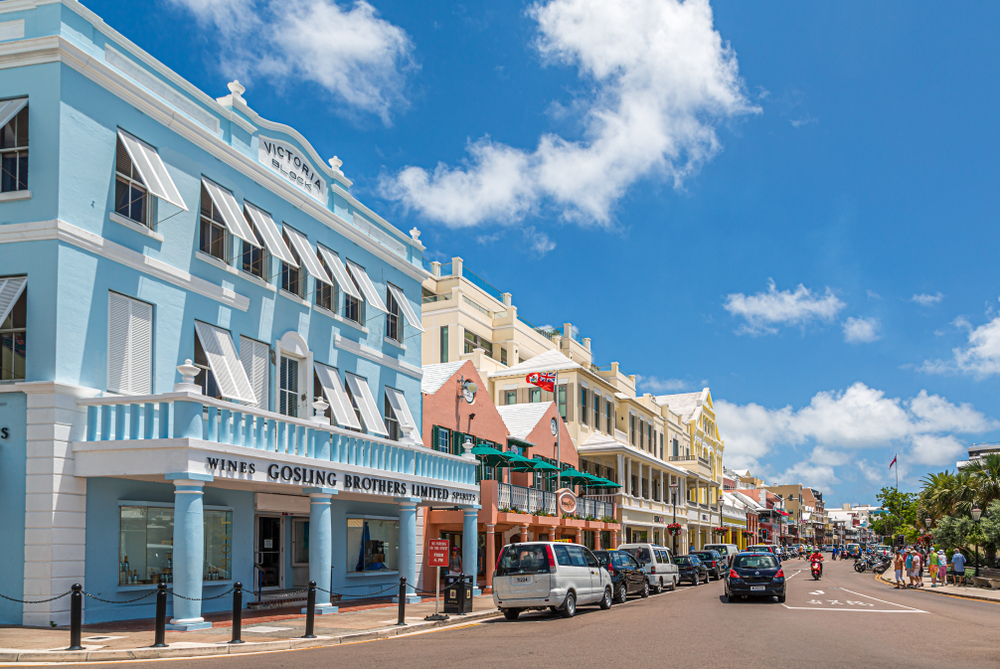
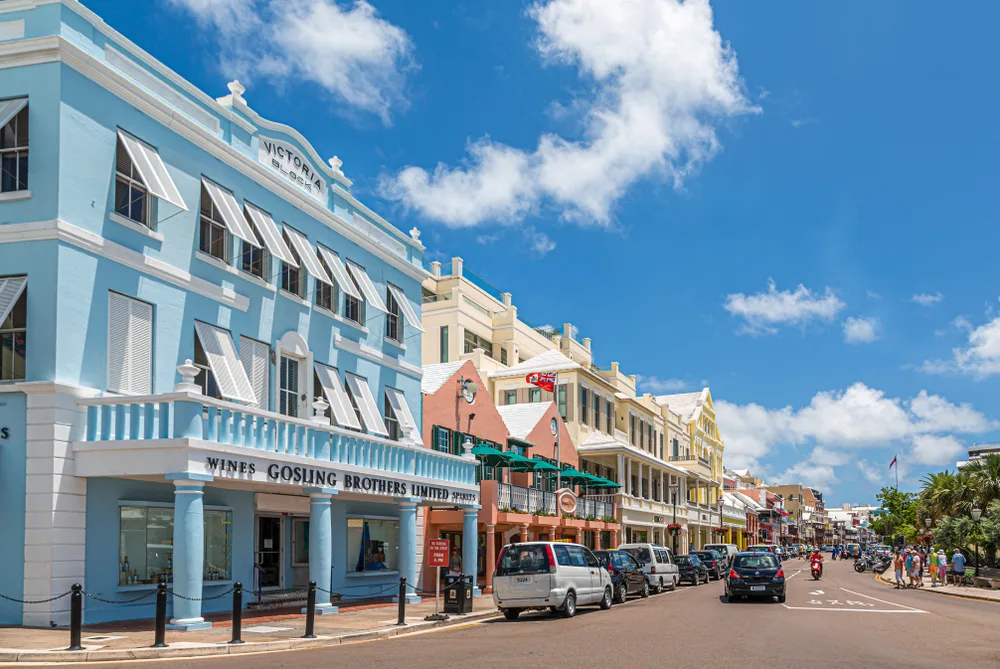
The back streets of Hamilton carry a higher risk after dark, particularly after bars close. The area around Back o’ Town and Court Street in Hamilton has a higher concentration of drug and gang-related activity and is best avoided at night. Muggings in this part of the capital have been reported, though they are not common by regional standards.
Gang activity exists in Bermuda and drives most of the island’s violent crime. However, gang violence is concentrated in residential areas of Hamilton that tourists have little reason to visit. The State Department notes the presence of gangs and illegal drug activity but does not flag violence against tourists as a significant concern at the current advisory level.
Practical theft precautions
- Use a cross-body bag rather than a shoulder bag in crowded areas and on buses.
- Don’t leave bags unattended on beaches. Designate someone in your group to stay with valuables while others swim.
- Store passports, extra cash, and electronics in your hotel room safe, not in the room itself.
- Never leave anything in the basket of a rental scooter unattended.
- Watch your drink at bars and nightclubs. Drink spiking has been reported and is listed as a concern by the Bermuda Police Service.
Beach and Ocean Safety
Jianwei Zhu/Shutterstock
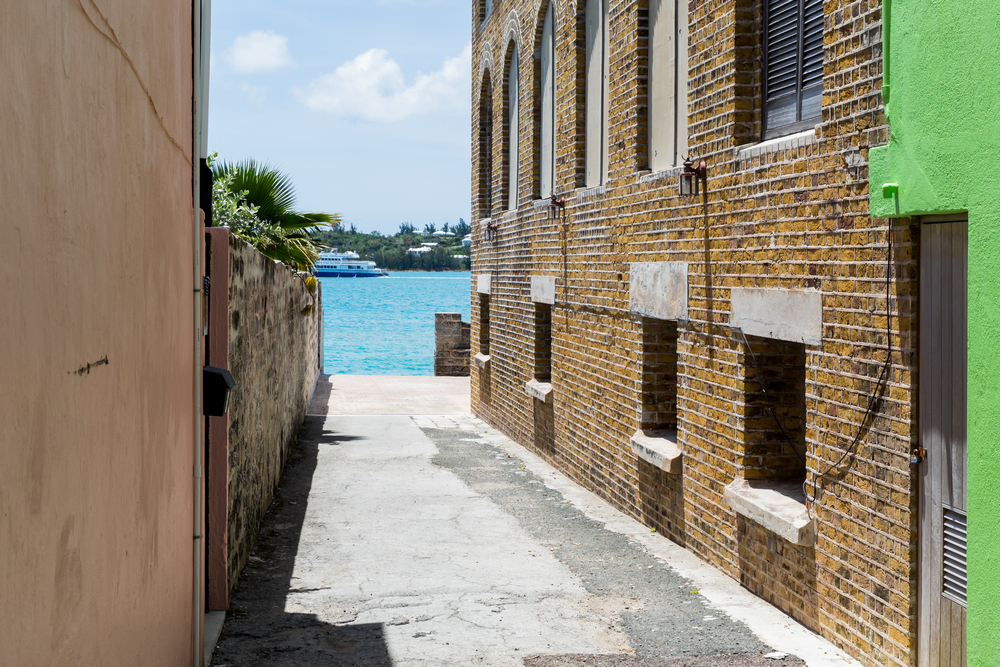
The US State Department’s April 2026 advisory places beach safety at the top of its Bermuda-specific warnings, and for good reason. Hazardous rip currents affect several of Bermuda’s most popular beaches, and US citizens have drowned in Bermudian waters. The advisory explicitly recommends only swimming where lifeguards are present, never swimming alone, and avoiding alcohol before or during ocean swimming.
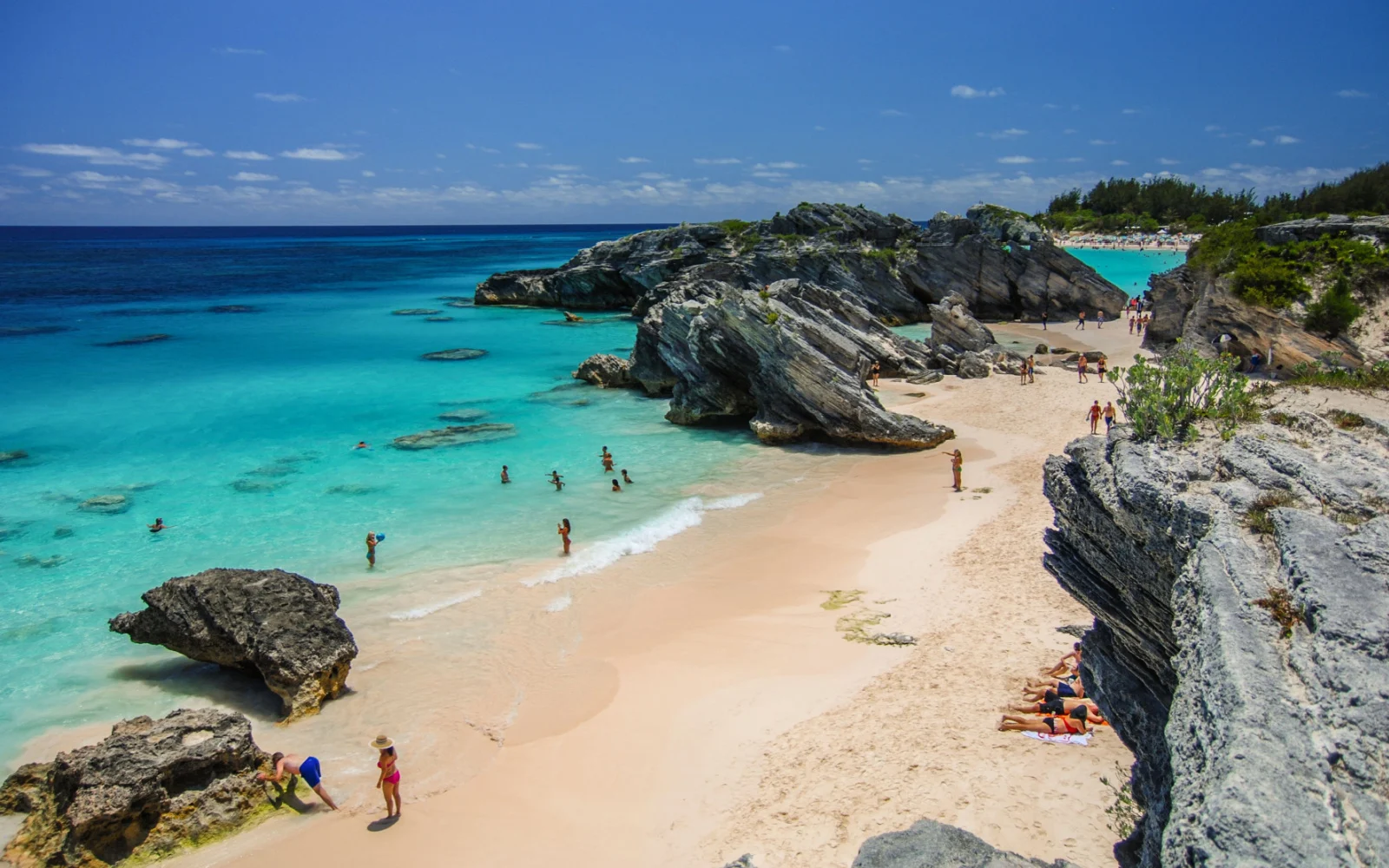
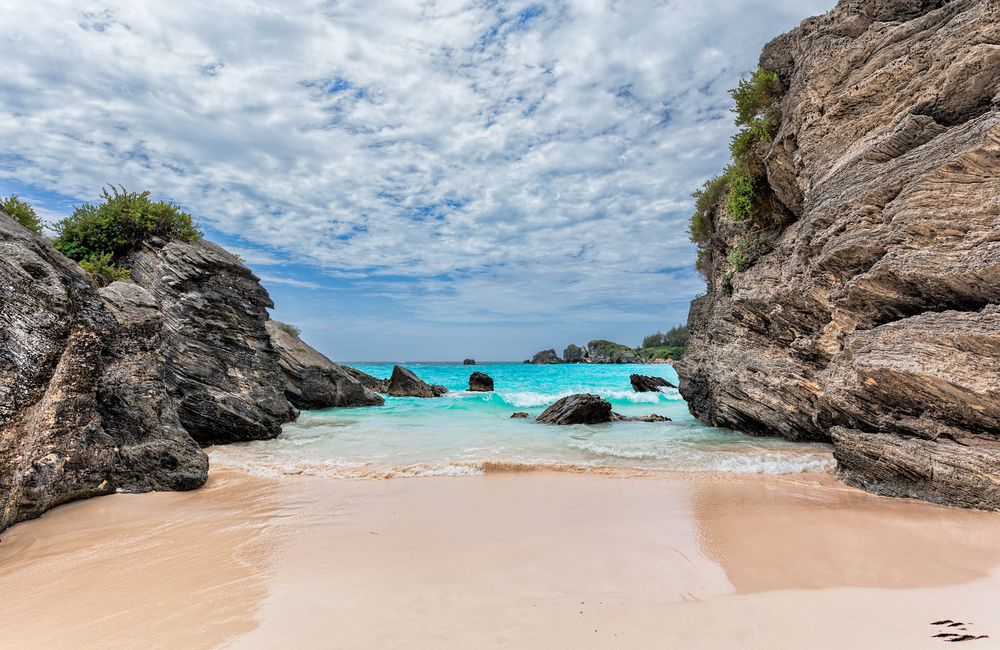
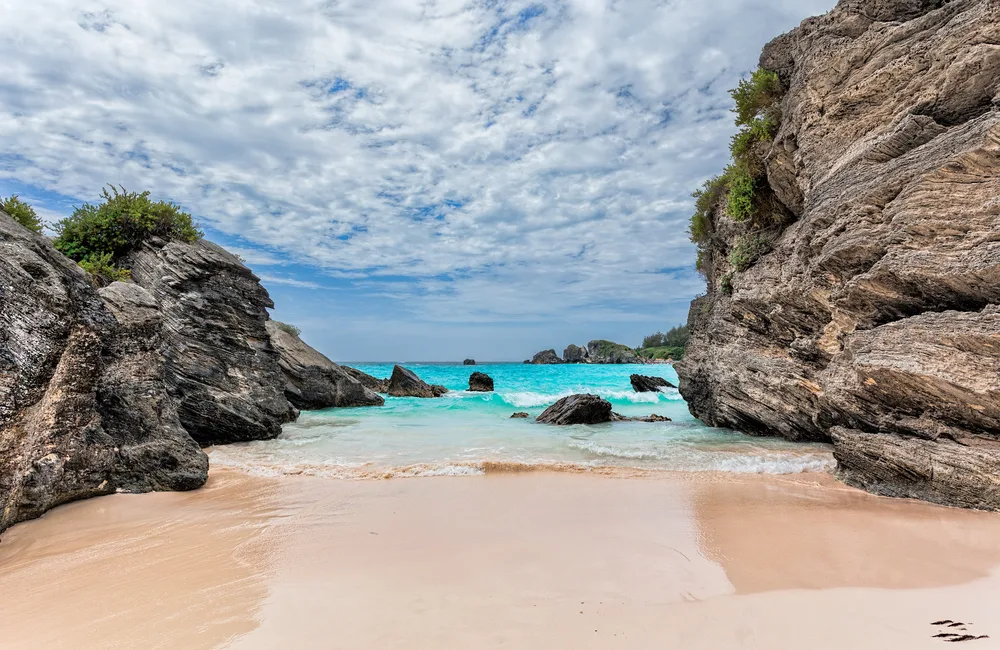
Horseshoe Bay, the island’s most visited beach, has experienced drowning incidents involving tourists in recent years. Conditions can shift quickly: calm morning surf can give way to strong currents and difficult conditions by afternoon, particularly as tidal patterns change.
The practical rules for swimming in Bermuda are straightforward: check for lifeguard coverage before entering the water, be aware of posted warning flags, do not dive into water of unknown depth, and never swim alone at remote or unpatrolled beaches.
The Portuguese man-of-war, a marine organism whose stinging tentacles can cause significant pain, is occasionally present in Bermudan waters, particularly after strong winds. If you see one on the beach or in the water, exit the water and report it to a lifeguard. Stings require medical attention.
Coral is also a hazard at some beaches. A cut from coral can become infected quickly in tropical water, and stepping on it can cause a serious puncture wound. Reef shoes provide good protection at beaches with rocky or coral-laden shallow water.
Drug Laws
Bermuda enforces strict drug laws and the State Department specifically warns visitors about them. Customs officers routinely board cruise ships with drug-detecting dogs, and possession of any illegal substance, including cannabis, is a criminal offense regardless of whether the visitor holds a prescription in their home state or country. Bermuda does not recognize foreign prescriptions for controlled substances. Penalties include substantial fines and imprisonment.
Importing prescription medications into Bermuda requires a doctor’s letter listing the medication, dosage, and purpose, and the medication must be in its original labeled packaging. Certain medications legal elsewhere may be restricted or controlled in Bermuda. If you take prescription drugs regularly, verify their status with the Bermuda Customs Service before travel.
Hurricane Season
Bermuda sits in the Atlantic at approximately 32 degrees north latitude, outside the traditional Caribbean hurricane belt but not immune to storms. Hurricane season runs June through November, with peak risk in September and October. Direct hits are infrequent, but the island experiences tropical storm conditions and the outer bands of passing hurricanes more often. If you’re visiting between August and October, monitor storm forecasts and confirm your travel insurance covers trip cancellation due to weather.
Medical Care and Health
Bermuda’s medical facilities can handle routine procedures, but costs are very high by any standard. Medicare and Medicaid do not apply outside the United States, and US health insurance plans often provide limited or no coverage abroad. Travel insurance with medical coverage and emergency evacuation is strongly recommended. Confirm your policy’s coverage limits before departure.
Dengue fever is a risk in Bermuda during warmer months when mosquito populations are higher. Use insect repellent, particularly at dawn and dusk, and wear protective clothing if you’re visiting between June and October.
Frequently Asked Questions
Stephen Bonk/Shutterstock
Are beaches safe in Bermuda?
Bermuda’s beaches are generally safe for swimming but rip currents are a genuine hazard at several popular spots, including Horseshoe Bay. The US State Department specifically warns against swimming without lifeguard supervision, swimming alone, and swimming after alcohol. Check posted warning flags and always be aware of current conditions before entering the water.
Is Bermuda safe for a single woman?
Bermuda is considered one of the safer island destinations for solo female travelers. The usual precautions apply: avoid walking alone at night in poorly lit or unfamiliar areas, particularly in Hamilton, don’t leave drinks unattended at bars, and avoid isolated beaches after dark. The main tourist areas are well-patrolled and generally feel safe.
Is Bermuda safe to walk at night?
Most of Bermuda is reasonably safe after dark, but the back streets of Hamilton carry more risk, particularly after bars close. The State Department specifically flags these areas as settings for assaults at night. Stick to well-lit main streets, avoid walking alone where possible, and use taxis rather than walking in unfamiliar parts of the capital after dark.
Can I bring cannabis to Bermuda?
No. Cannabis is illegal in Bermuda regardless of whether it is legal in your home state or country. Bermuda Customs actively enforces drug laws, including on cruise ships. Possession carries severe penalties including fines and imprisonment. A foreign prescription or legal status elsewhere provides no protection under Bermudan law.
What is Bermuda’s travel advisory level?
As of April 2026, the US State Department rates Bermuda at Level 1, its lowest advisory tier, meaning travelers should exercise normal precautions. The UK FCDO does not issue specific risk warnings for the island, which is a British Overseas Territory. Both governments describe Bermuda as a generally safe destination.
For more on visiting Bermuda, see our guide on the best time to visit Bermuda for weather, crowds, and prices.