


What's the best time to visit Riviera Maya?
The best time to visit Riviera Maya is December through April, when the weather is dry, sunny, and comfortably warm, with average highs between 81 and 86°F. If you want good conditions without the peak-season crowds and prices, May and November are the smartest months on the calendar.


The Riviera Maya runs nearly 80 miles down Mexico’s Caribbean coast, from the resort corridor of Playa del Carmen to the cliffside ruins and laid-back beach towns of Tulum. Turquoise water, ancient Maya cities, and one of the world’s largest underwater cave systems all sit within a short drive of each other.
The region also has a clearly defined dry season, a real hurricane season, and several shoulder months that most guides either oversell or skip entirely. This breakdown covers when to go based on what you want to do, what you’re willing to spend, and how much heat and humidity you can tolerate.
| Season | Months | Weather | Crowds | Prices |
|---|---|---|---|---|
| High Season | Dec – Apr | Dry, 81-86°F | High | High |
| Shoulder Season | May, Nov | Warm, low rain | Moderate | Moderate |
| Low Season | Jun – Oct | Hot, humid, storm risk | Low | Low |
The Dry Season: December Through April
Simon Dannhauer/Shutterstock
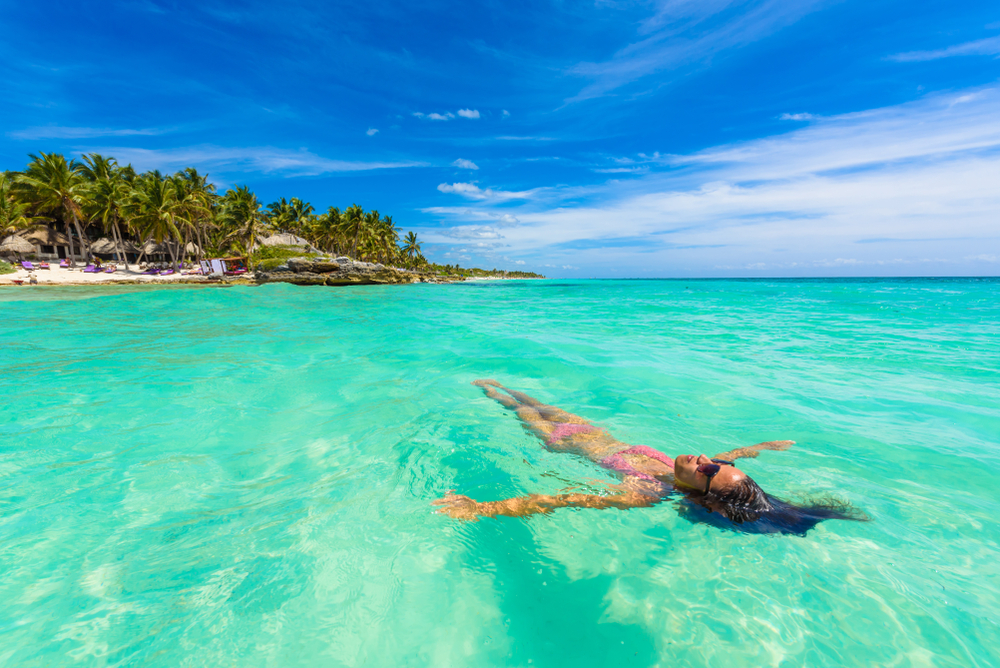
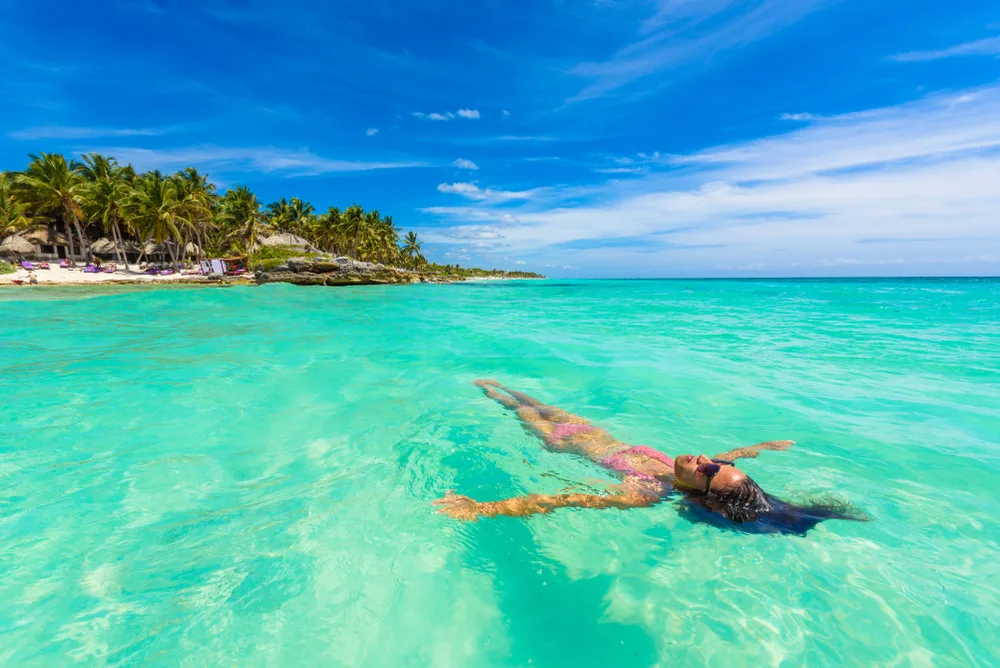
Riviera Maya has a straightforward tropical climate built around two seasons: dry and wet. The dry season, from December through April, is when the region is most reliably pleasant. Humidity stays low, rain is infrequent, and the skies tend to stay clear for days at a stretch.
December through February marks peak season. Average highs hold around 81 to 82°F, humidity is minimal, and evenings are genuinely comfortable. This is when holiday travelers and seasonal visitors from colder climates arrive in the greatest numbers, and pricing follows demand accordingly.
Christmas and New Year’s bookings fill up months ahead of time. January and February tend to be the most pleasant stretch of the year, with calm seas for snorkeling, clear cenote water, and comfortable conditions for visiting Maya ruins like Tulum and Chichen Itza without overheating.
March and April bring slightly warmer temperatures, around 84 to 86°F, along with the arrival of spring break. March is statistically the driest month of the year. By the second half of April, crowds thin and prices begin to ease while conditions remain excellent. Many repeat visitors consider late April one of the best-value windows on the calendar.
The Shoulder Months: May and November
Lisa Strachan/Shutterstock
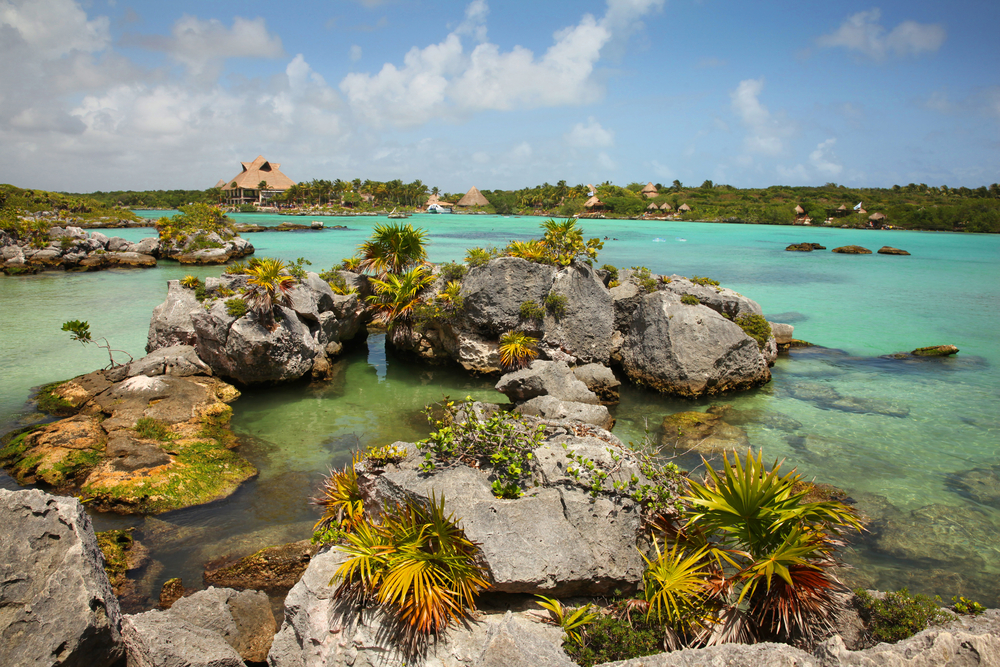
These two shoulder months deliver the best overall balance of weather, crowds, and price, and both are consistently overlooked. May arrives as the dry season is technically winding down, but rainfall remains infrequent and largely limited to brief afternoon showers.
Temperatures hover around 87 to 88°F: warm, but not yet oppressive. Spring break crowds have cleared out, summer travelers haven’t yet arrived, and resort rates drop noticeably. May also marks the start of whale shark season in the waters off Isla Mujeres and Holbox, one of the most remarkable wildlife encounters available anywhere in the region.
November mirrors May from the other side of the calendar. Hurricane season winds down, humidity drops steadily, and prices stay below high-season levels well into the month. Early November brings Day of the Dead observances, which are genuinely worth experiencing firsthand. By mid-November, conditions rival January’s, with noticeably fewer tourists and better rates. For travelers who can only make one trip and care about value, November deserves serious consideration.
Summer and Hurricane Season: June Through October
Simon Dannhauer/Shutterstock
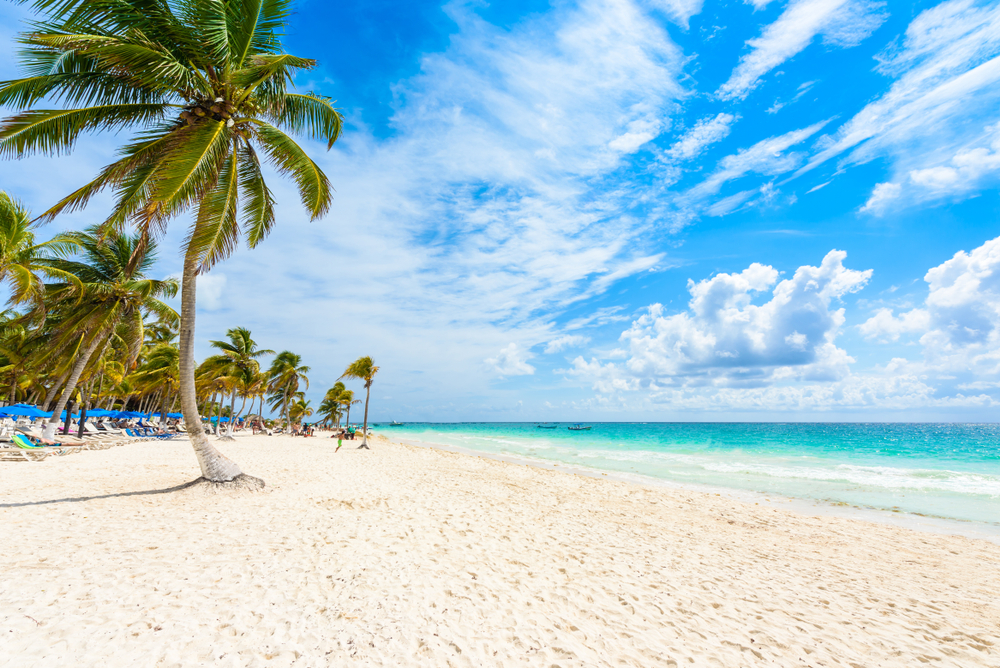
This stretch brings the year’s highest heat and humidity, and it overlaps with the Caribbean hurricane season. That combination keeps prices low and beaches quiet, but it comes with real trade-offs worth understanding before booking.
June and July are hot and humid but still very manageable. Rain typically arrives in short afternoon bursts rather than all-day downpours, and mornings are often clear. July is the hottest month of the year, with highs near 90°F. Whale shark season runs at full strength from June through September, drawing snorkelers from around the world to swim alongside these animals in open water. Cenotes are especially appealing during summer too, offering a cool, clear retreat from the midday heat.
August and September carry the highest hurricane risk and the heaviest rainfall. September is the wettest month by a wide margin, averaging nearly nine inches of rain across roughly 14 rainy days. Even so, most visitors during this window still see plenty of sun, and flight and resort deals are harder to find at any other point in the year. Travel insurance is not optional for trips booked in August or September.
October sits at the tail end of storm season and improves steadily as the month progresses. Humidity eases, temperatures cool slightly, and the landscape turns lush from the summer rains. Crowds thin out and prices stay low. Many repeat visitors name late October as their preferred time to travel, citing quiet beaches, affordable rates, and Caribbean water that’s still warm.
Hurricane Season: What to Actually Expect
The Atlantic hurricane season, which covers the Caribbean, officially runs from June through November, with the highest risk concentrated between August and October. Riviera Maya has taken direct hits before, most notably from Hurricane Wilma in 2005. Major storms remain relatively rare, but the Caribbean is one of the more active hurricane basins in the world, so the risk is real rather than theoretical.
For most of June, July, and early October, the practical storm risk is low, and many visitors experience no disruption at all. August and September are different. Storms can develop quickly, and plans can change with little warning. Anyone visiting during this window should purchase travel insurance with trip cancellation and interruption coverage before flying. It is not worth skipping.
Month-by-Month Breakdown
Posztos/Shutterstock
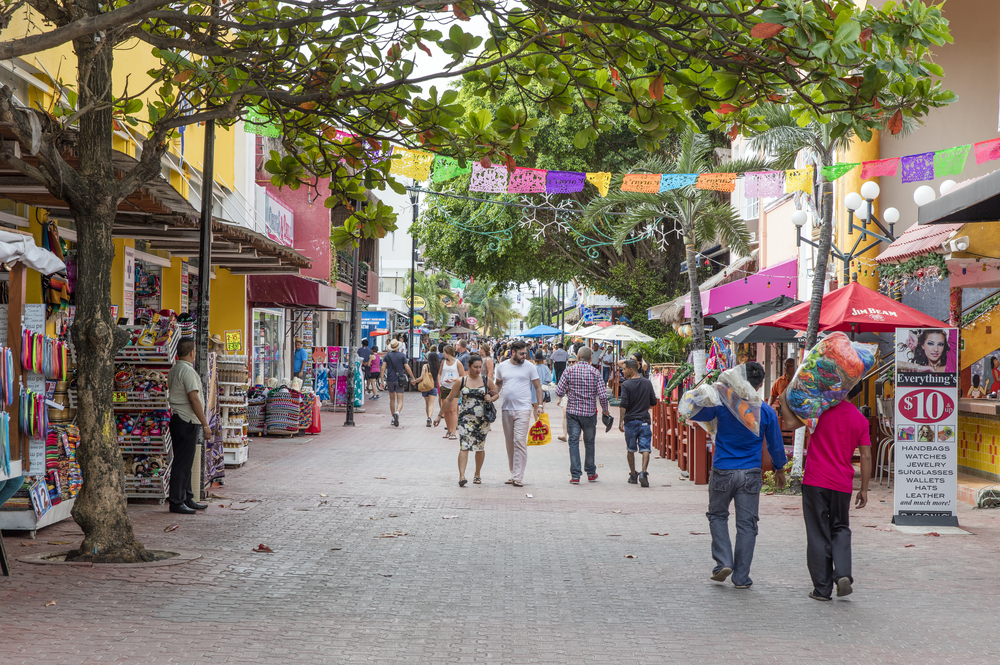
The contrast is easy to see on the ground. Quinta Avenida in Playa del Carmen during March looks nothing like the same street in September, and the numbers below explain why.
| Month | Avg High | Rain Risk | Crowds | Best For |
|---|---|---|---|---|
| January | 81°F | Very Low | High | Overall weather, ruins |
| February | 82°F | Very Low | High | Beach, diving, Carnival |
| March | 84°F | Very Low | Very High | Dry weather, spring break |
| April | 86°F | Low | Moderate-High | Late month value |
| May | 88°F | Low-Moderate | Low | Value, whale sharks start |
| June | 89°F | Moderate | Low | Whale sharks, budget |
| July | 90°F | Moderate | Low-Moderate | Whale sharks, families |
| August | 90°F | High | Very Low | Lowest prices |
| September | 89°F | Very High | Very Low | Avoid if weather-sensitive |
| October | 87°F | Moderate | Very Low | Late month value |
| November | 84°F | Low | Low-Moderate | Value, Day of the Dead |
| December | 82°F | Very Low | High | Weather, holidays |
The Best Time to Visit, by Activity
Aspects and Angles/Shutterstock
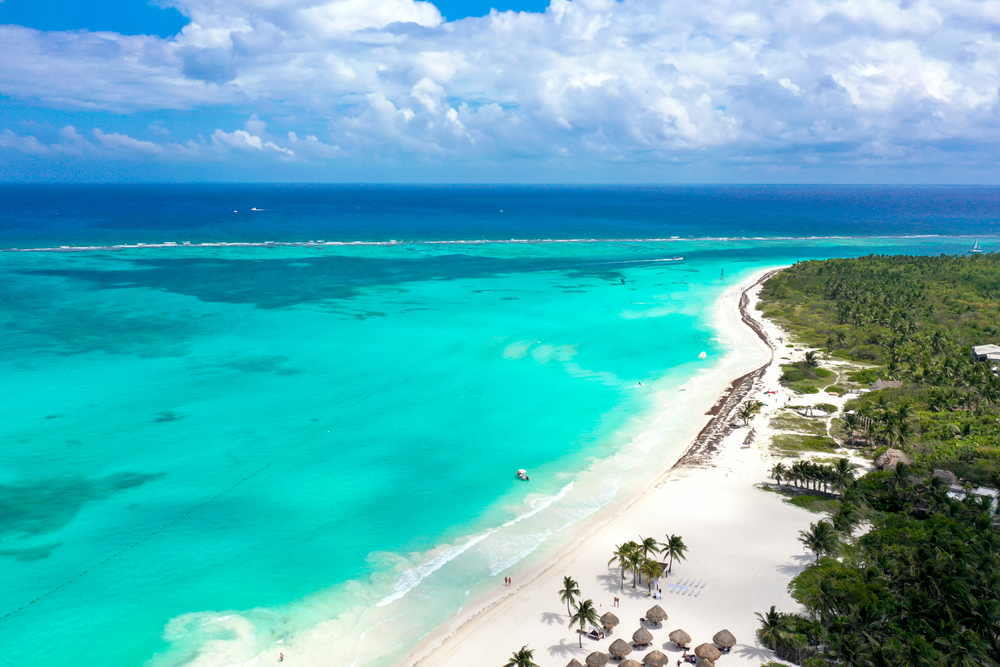
Knowing what you actually want to do is the single most useful factor in choosing when to visit. The region rewards visitors differently depending on the season.
- Whale shark snorkeling runs June through September, with peak sightings in July and August off Isla Mujeres and Holbox. Swimming alongside whale sharks in open water is a genuine bucket-list experience and arguably the strongest case for visiting in summer despite the heat. Tours fill quickly during peak months, so book well ahead.
- Maya ruins are best explored from November through March, when cooler temperatures make walking exposed archaeological sites like Tulum, Chichen Itza, and Coba comfortable rather than an endurance test.
- Cenotes are enjoyable year-round but most refreshing in summer. Water temperature holds steady at 75 to 77°F regardless of season, which feels remarkable when it’s 90°F outside. Snorkeling and diving along the Mesoamerican Barrier Reef are excellent every month, though visibility and sea conditions peak from December through April, when the water is calmest and clearest.
- Sea turtles nest on Riviera Maya beaches from May through October. Akumal is the most accessible place to swim alongside them and is worth a visit any time during that window.
- Budget travelers find the best deals in August and September, while May and October offer the strongest balance of fair weather and real value without committing to the peak-risk hurricane months.
Frequently Asked Questions
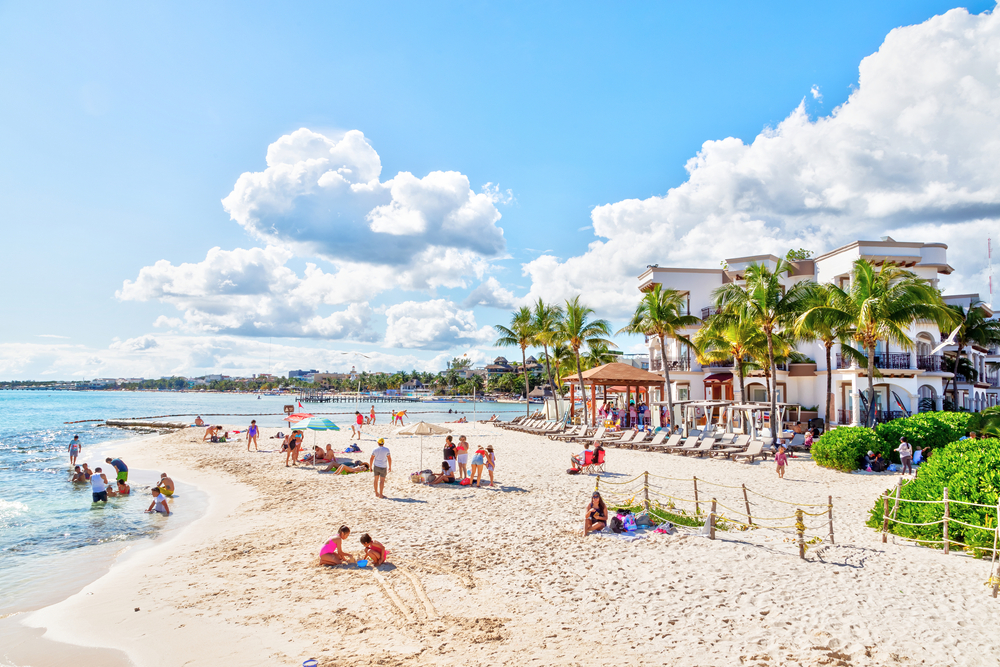
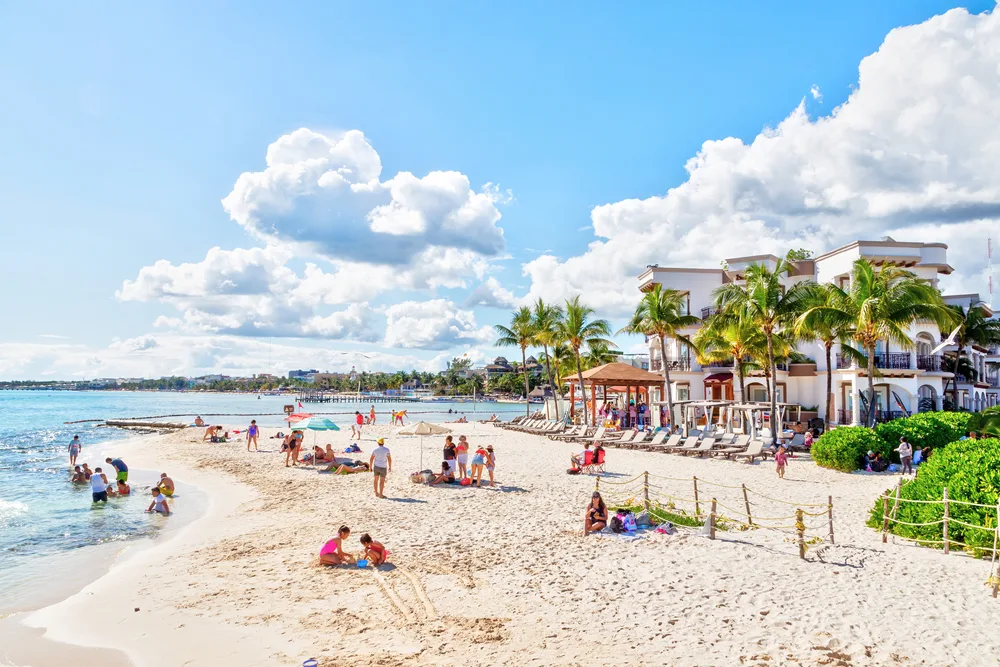
Ronnie Chua/Shutterstock
Answers to a few common questions about timing a trip to the Riviera Maya:
What is the best month to visit Riviera Maya?
January, February, and November are consistently the strongest months. January and February bring the most reliable weather, with low humidity and almost no rain. November offers nearly the same conditions with fewer tourists and lower prices, making it one of the most underrated times to go.
What months should I avoid in Riviera Maya?
September is the month most worth skipping for weather-sensitive travelers. It’s the wettest month of the year and falls at the peak of hurricane season. August carries similar risk and is best approached with flexible plans and travel insurance rather than a fixed itinerary.
Is Riviera Maya worth visiting during the rainy season?
Yes, with the right expectations. Rain during the low season typically arrives in short afternoon bursts, and mornings are often clear and sunny. Beaches are quieter, prices drop, and experiences like whale shark snorkeling are at their best. Avoid non-refundable bookings and carry travel insurance.
When is hurricane season in Riviera Maya?
Officially June through November, with the highest risk from August through October. Major storms are relatively rare but do occur. Travel insurance is strongly recommended for any trip booked between August and October.
When is whale shark season in Riviera Maya?
Whale sharks gather in the waters off Isla Mujeres and Holbox from June through September, with July and August bringing the highest concentration of sightings. It’s one of the best wildlife encounters in the Caribbean and a strong reason to consider a summer visit despite the heat.
Is Riviera Maya crowded during spring break?
Yes. Spring break runs through most of March and into early April, particularly around Playa del Carmen and Tulum. Travelers hoping to avoid those crowds should aim for January, February, or late April instead.
What is the water temperature in Riviera Maya?
The Caribbean Sea stays warm year-round, ranging from around 77°F in winter to 84°F in summer. Even in the coolest months, the water remains comfortable for swimming, snorkeling, and diving.
How does Riviera Maya compare to Cancun for timing?
Weather patterns are essentially identical, since both sit on the same stretch of Caribbean coastline. Riviera Maya tends to be quieter and more spread out than Cancun’s hotel zone. Travelers hoping to avoid spring break chaos generally find the towns south of Cancun feel less hectic, even during peak months.
Final Verdict: When Should You Visit Riviera Maya?
For the best all-around experience, late April, May, or November hit the sweet spot: very good weather, manageable crowds, and prices well below peak season. For ideal conditions with no compromises, January through March is hard to beat, provided you’re prepared to pay for it and share the beach.
For wildlife and adventure on a budget, June through early September delivers whale sharks, sea turtles, and the cheapest flights and resorts of the year, as long as the heat and a chance of rain are acceptable trade-offs.
Families tend to do best in February and early March, when conditions are most reliable, while early July offers summer vacation energy at lower prices than winter. There’s no single “best” month here so much as a best month for what you’re after. Once you’ve settled on timing, our guide to where to stay in Riviera Maya and our breakdown of safety in the region can help you plan the rest of the trip.