


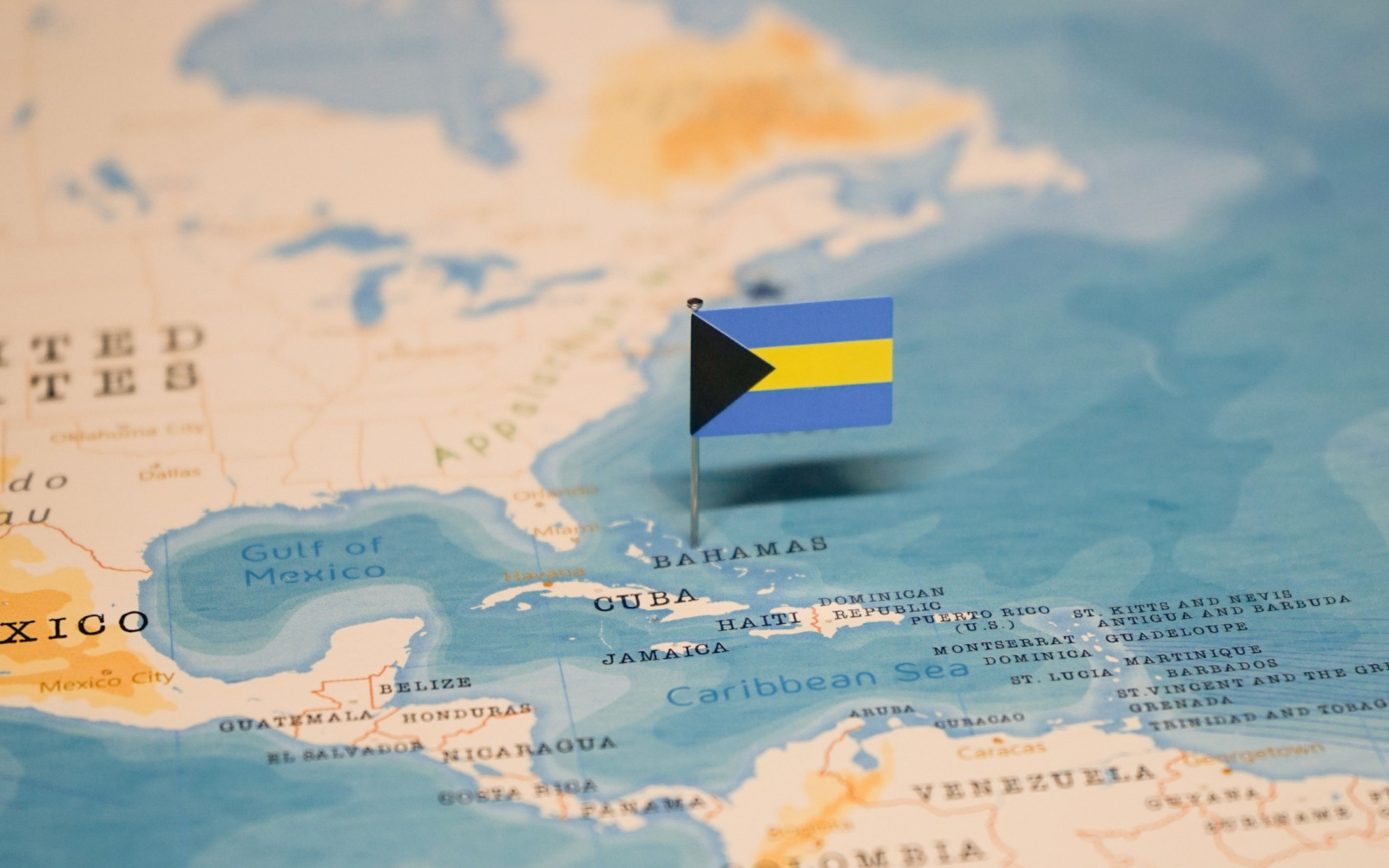
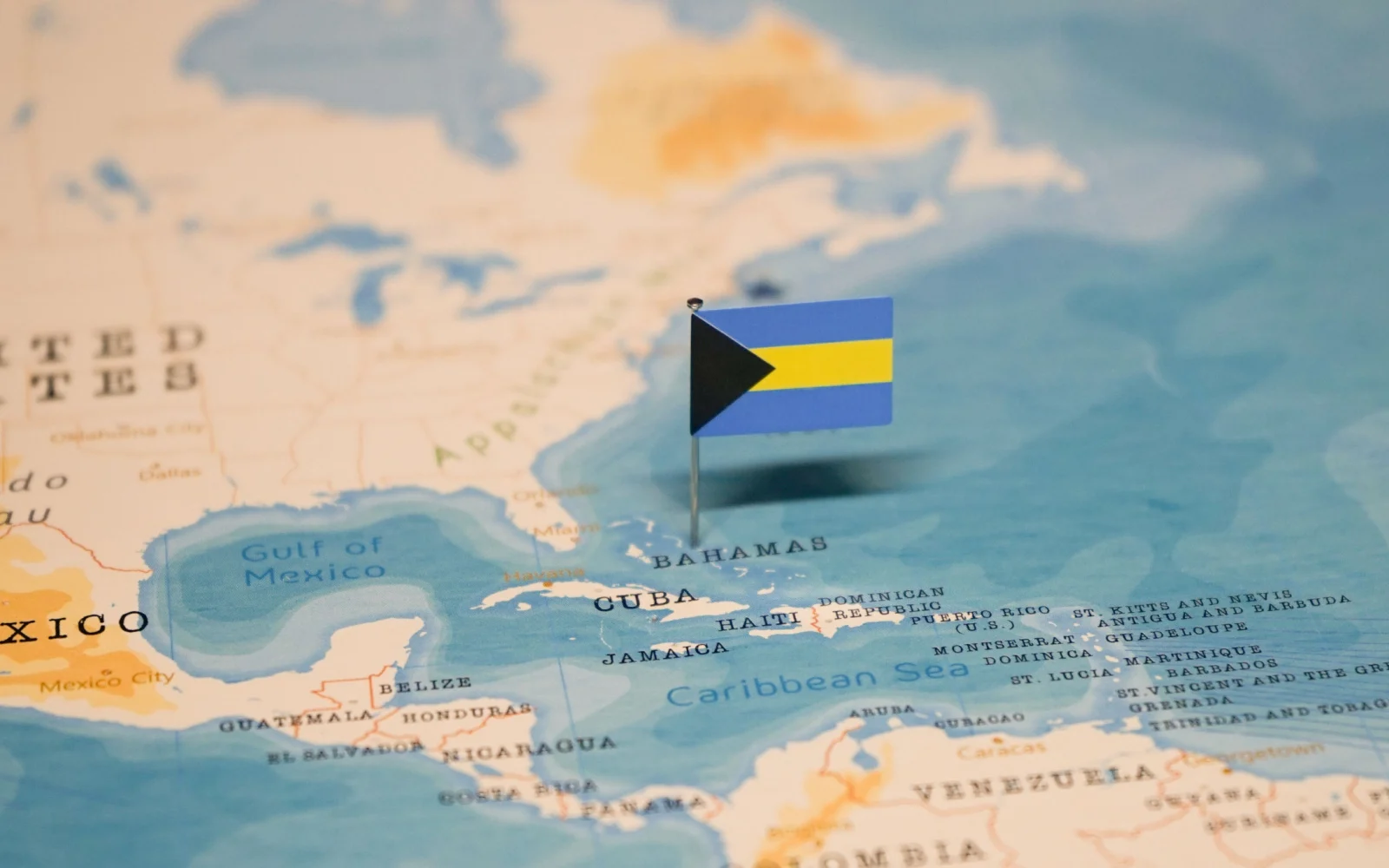
What currency is used in the Bahamas?
The Bahamas uses the Bahamian dollar (BSD), which is pegged 1:1 to the US dollar. American travelers can use US dollars almost everywhere without exchanging currency first. Visa and Mastercard are widely accepted; keep some small bills for tips, taxis, and local vendors.


The Bahamas uses the Bahamian dollar (BSD), which has been pegged to the US dollar at a 1:1 exchange rate since 1966. For American travelers, this means you can use US dollars almost everywhere in the country without exchanging currency before you go. Bahamian dollars and US dollars are accepted interchangeably by most hotels, restaurants, and shops.
The Bahamian Dollar: What You Need to Know
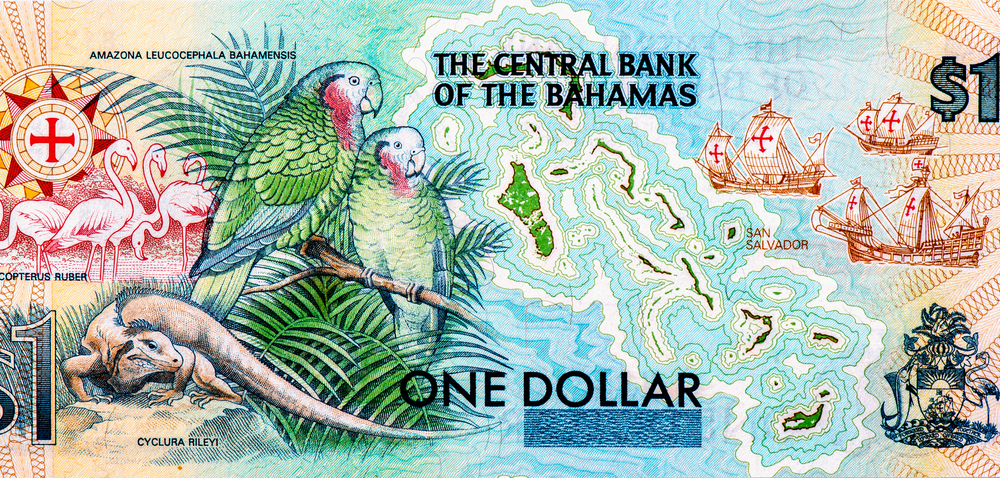
%20calc(100vw%20%E2%80%93%2048px),%20720px%E2%80%9D%20alt=%E2%80%9DThe%20local%20currency%20of%20Bahamas%20in%20One%20Dollar%20paper%20bill,%20a%20sample%20photo%20for%20an%20informative%20guide%20about%20the%20currency%20they%20use%20in%20the%20Bahamas.%E2%80%9D%20width=%E2%80%9D1000%E2%80%B3%20height=%E2%80%9D478%E2%80%B3%20aria-describedby=%E2%80%9Dcaption-attachment-41479%E2%80%B3%20data-pin-media=%E2%80%9Dhttps://travellersworldwide.com/wp-content/uploads/2023/10/shutterstock_1728344101.jpg%E2%80%9D%20data-src=%E2%80%9Dhttps://travellersworldwide.com/wp-content/uploads/2023/10/shutterstock_1728344101.jpg.webp%E2%80%9D%20data-srcset=%E2%80%9Dhttps://travellersworldwide.com/wp-content/uploads/2023/10/shutterstock_1728344101.jpg.webp%201000w,%20https://travellersworldwide.com/wp-content/uploads/2023/10/shutterstock_1728344101-350%C3%97167.jpg.webp%20350w,%20https://travellersworldwide.com/wp-content/uploads/2023/10/shutterstock_1728344101-768%C3%97367.jpg.webp%20768w,%20https://travellersworldwide.com/wp-content/uploads/2023/10/shutterstock_1728344101-523%C3%97250.jpg.webp%20523w,%20https://travellersworldwide.com/wp-content/uploads/2023/10/shutterstock_1728344101-960%C3%97459.jpg.webp%20960w,%20https://travellersworldwide.com/wp-content/uploads/2023/10/shutterstock_1728344101-150%C3%9772.jpg.webp%20150w%E2%80%9D%20data-svg=%E2%80%9D1%E2%80%B3%20data-trellis-processed=%E2%80%9D1%E2%80%B3></p><p%20id=) Prachaya Roekdeethaweesab/Shutterstock
Prachaya Roekdeethaweesab/Shutterstock
The Bahamian dollar’s peg to the US dollar is not a coincidence or a courtesy to tourists. It reflects the economic reality of the two countries’ relationship. The United States is the Bahamas’ largest trading partner by a significant margin. Tourism, which accounts for roughly half of the Bahamian economy, is overwhelmingly American: approximately 80 percent of visitors to the Bahamas come from the United States. Almost everything the country imports, which is most of what it consumes given its limited agricultural and manufacturing base, comes from the US as well.
Pegging the currencies removes exchange rate uncertainty from both sides of that relationship. Hotels and restaurants can price in a stable currency. American visitors don’t need to calculate conversions. The arrangement has been in place since 1966 and shows no sign of changing.
The currency is issued by the Central Bank of the Bahamas and officially abbreviated as BSD. The symbol used is B$, which distinguishes it from US dollars when written, though in practice most prices in tourist areas are simply listed with a dollar sign.
A Brief History of Currency in the Bahamas
Before the Bahamian dollar, the islands used the Bahamian pound, introduced after Britain formally claimed the Bahamas as a colony in 1718. The pound remained in use through the colonial period, tied to British Pounds Sterling under legislation passed in 1825 that made sterling the official currency of all British colonies.
As Britain transitioned its colonies toward independence in the mid-twentieth century, the Bahamas introduced the Bahamian dollar in 1966. The initial exchange rate was designed to peg it to the US dollar by working through the existing pound-dollar relationship. By the time the Bahamas became fully independent in 1973, the dollar was firmly established and the peg was set. Prior to British colonization, Spanish reales circulated throughout the Caribbean, and the Bahamas was no exception. Those coins were valued for their milled edges, which prevented shaving, and their divisibility into eighths, which is where the expression “pieces of eight” originates.
Bahamian Dollar Denominations
Janusz Pienkowski/Shutterstock
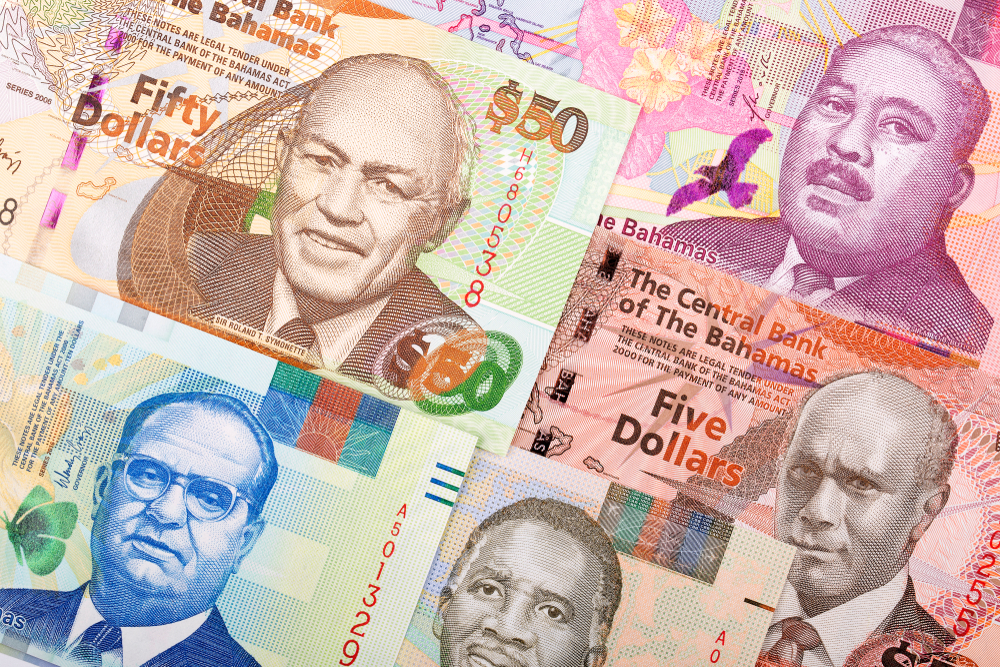
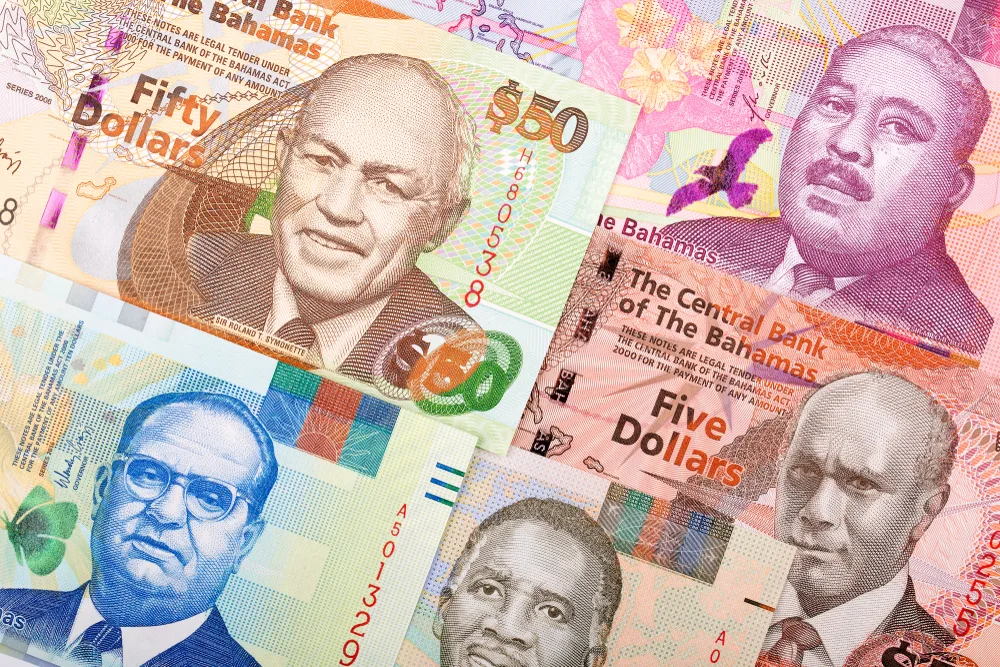
Bahamian banknotes are printed in denominations of 1, 3, 5, 10, 20, 50, and 100 dollars. The $3 bill is unusual and worth noting: it doesn’t exist in US currency, so you may encounter it in change and not immediately recognize it. Coins are issued in values of 1 cent, 5 cents, 10 cents, 15 cents, 25 cents, and 50 cents, as well as a one-dollar coin.
The note designs feature Bahamian historical figures, native wildlife, and landmarks. Special commemorative editions have depicted the royal poinciana flower, the Paradise Island Bridge, and blue marlin. The notes are colorful and distinct enough from US currency that you’ll know immediately when you’ve received Bahamian dollars as change.
Cash, Cards, and ATMs in the Bahamas
The Bahamas is increasingly cashless, particularly in Nassau, Paradise Island, and Freeport. Most hotels, resorts, restaurants, and major shops accept Visa and Mastercard without issue. American Express and Discover have more limited acceptance, especially outside the main tourist areas. Contactless payments are available at many larger establishments.
Smaller vendors, local markets, water taxis, and some independent restaurants still prefer or require cash. If you’re planning to explore beyond the main resort corridors, keep some cash on hand.
ATMs are widely available in Nassau and on the major islands. Most dispense Bahamian dollars, though some international machines in tourist areas will give US dollars. Standard ATM fees apply, and some US banks charge foreign transaction fees even though the currency is technically at parity. It’s worth checking your bank’s fee structure before you travel. Cards with no foreign transaction fees, such as those from Charles Schwab, Capital One, or certain travel-specific issuers, will save you a small but real amount on withdrawals.
Alert your bank to your travel plans before departure. Unusual international card activity can trigger fraud alerts that freeze accounts, which is a frustrating problem to resolve from a beach in the Bahamas.
What to Do With Leftover Bahamian Dollars
Bahamian dollars are not accepted as legal tender in the United States or most other countries, despite being technically equal in value to US dollars. If you return home with Bahamian currency, you’ll need to exchange it or spend it before leaving the country. Most US banks won’t exchange Bahamian dollars, and those that do typically charge fees that eat into the value.
The most practical approach: spend down your Bahamian cash before your departure day, then use whatever remains at the airport. Many airport shops and vendors in Nassau accept Bahamian dollars and can make change in US currency if needed. Some travelers report that Turks and Caicos vendors will accept Bahamian dollars informally, given the close regional ties, but this is not guaranteed.
Coins are worth keeping as souvenirs rather than trying to exchange, since most exchange services won’t deal in foreign coins at all.
Practical Tips for Managing Money in the Bahamas
- You don’t need to exchange currency before you go. US dollars are accepted everywhere that accepts cash. Exchange is neither required nor particularly advantageous.
- Carry some small bills. Tipping, water taxis, local food stalls, and small vendors work in cash. A mix of $1 and $5 bills covers most day-to-day needs outside resort billing.
- Tipping is customary. A 15 to 20 percent tip is standard at restaurants, and some add a service charge automatically. Check the bill before adding a tip. Bellhops, housekeeping, and taxi drivers also expect gratuities.
- Cruise ship passengers typically stay within the port area, where US dollars are universally accepted. If you venture away from the port into local neighborhoods, cash in small denominations is more useful.
- Prices at resorts are higher than local rates. If budget matters, look for local restaurants and markets where Bahamian prices are aimed at residents, not tourists.
Frequently Asked Questions
Julia Tsokur/Shutterstock
Can I use US dollars in the Bahamas?
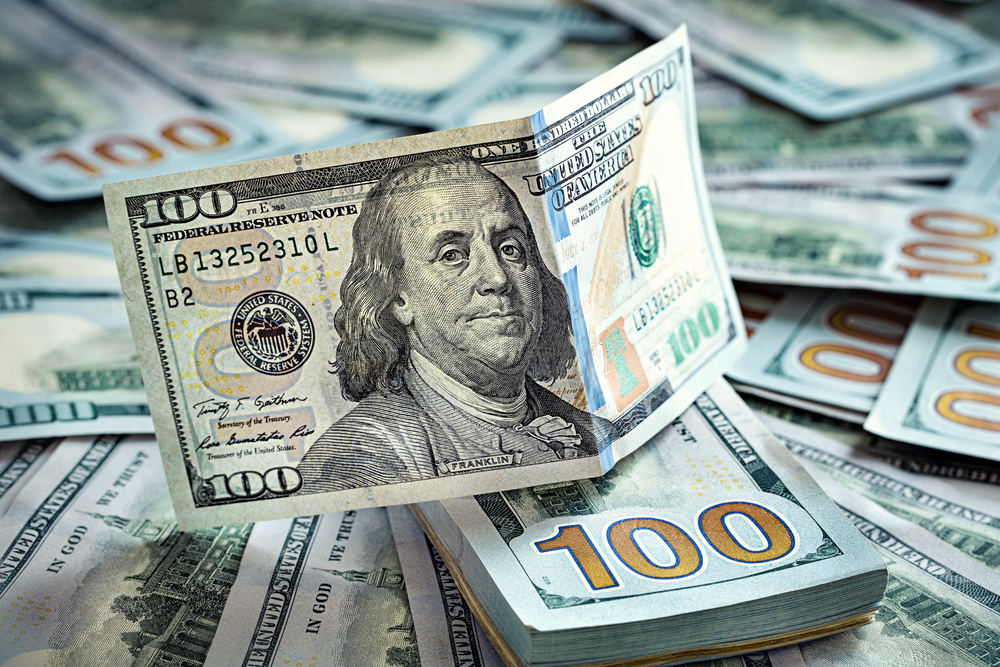
Yes. US dollars are accepted widely throughout the Bahamas at hotels, restaurants, shops, and most vendors. The Bahamian dollar is pegged 1:1 to the US dollar, so there is no exchange rate disadvantage to using US currency. You may receive Bahamian dollars as change, which is normal.
How much is $100 US in the Bahamas?
Exactly $100 Bahamian dollars. The currencies are pegged at 1:1, so there is no conversion calculation needed. That said, prices in the Bahamas, particularly at resorts and tourist-facing establishments, tend to run higher than equivalent spending in the US.
Do I need to exchange money before going to the Bahamas?
No. American travelers do not need to exchange currency before visiting the Bahamas. US dollars are accepted everywhere that accepts cash, and the exchange rate is always 1:1. Exchanging money in advance adds unnecessary steps and fees.
Can you use American currency in Nassau?
Yes, US dollars are accepted throughout Nassau. Most change will be given in Bahamian dollars, which are identical in value. Major credit cards are accepted at hotels, restaurants, and larger shops.
What credit cards are accepted in the Bahamas?
Visa and Mastercard are accepted at most hotels, restaurants, and shops in tourist areas. American Express has more limited acceptance, and Discover is rarely accepted outside major resorts. Smaller local vendors typically prefer cash.
What is the $3 Bahamian dollar bill?
The Bahamas issues a $3 banknote, which is unusual since the US does not have a $3 bill. It is valid currency equal to $3 USD. If you receive one as change, it is legal tender and not a mistake.
For more on planning your trip, see our guides on what a trip to the Bahamas costs and the drinking age in the Bahamas.