


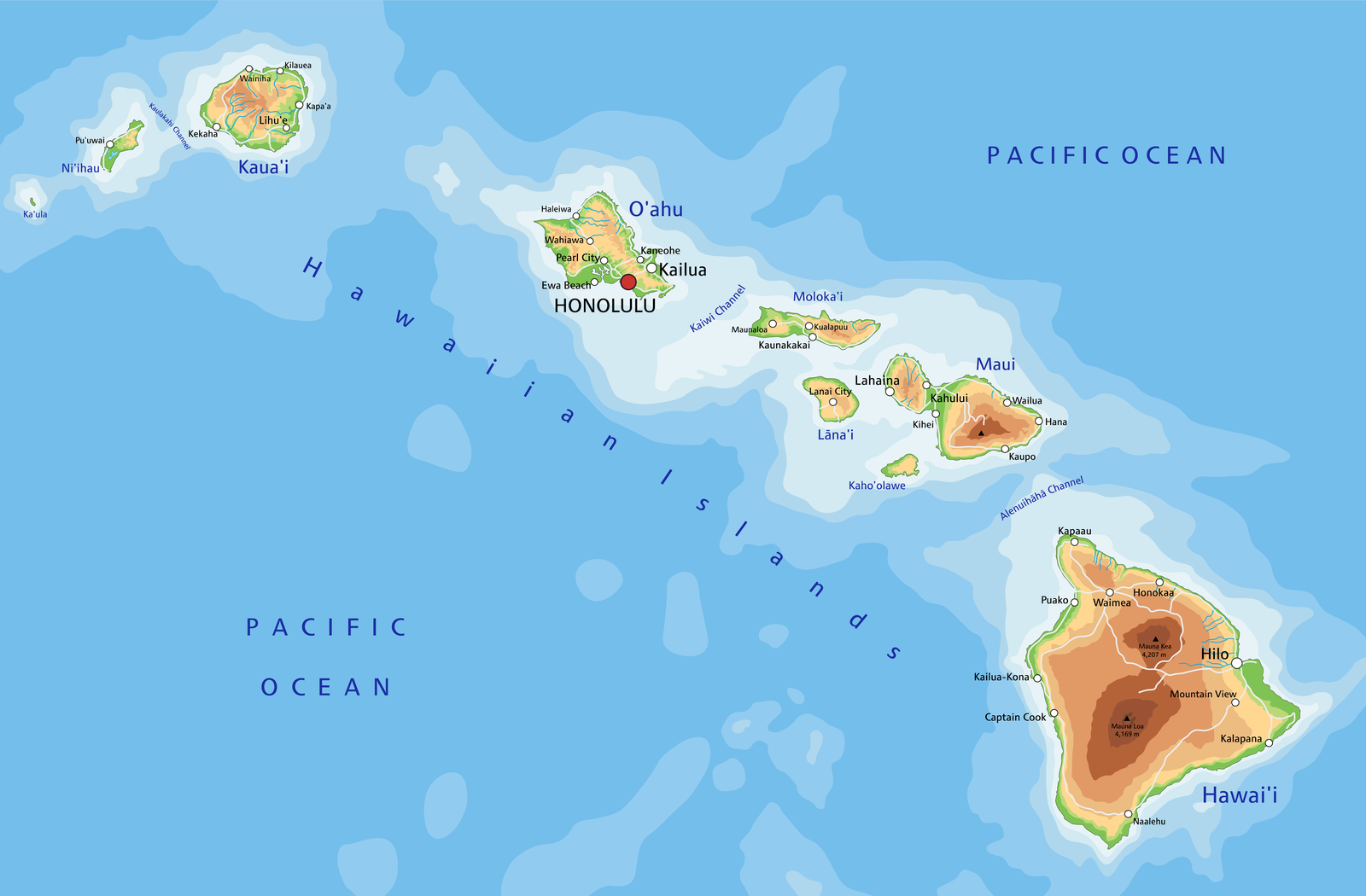
Hawaii’s seven main islands each offer a completely different experience. Oahu is best for first-timers and families, Kauai for natural beauty, Maui for adventure, and the Big Island for volcanic landscapes. Molokai and Lanai suit travelers seeking seclusion, while Niihau remains off-limits to the public.


Hawaii is made up of eight main islands, seven of which are inhabited. Each one has a distinct personality, a different pace, and a different set of experiences waiting. The right island for you depends on whether you want surf, solitude, volcanic landscapes, or a full-service resort with everything at your door.
This guide covers all seven islands, what makes each one worth visiting, and the highlights that set them apart from one another.
The 7 Hawaiian Islands at a Glance
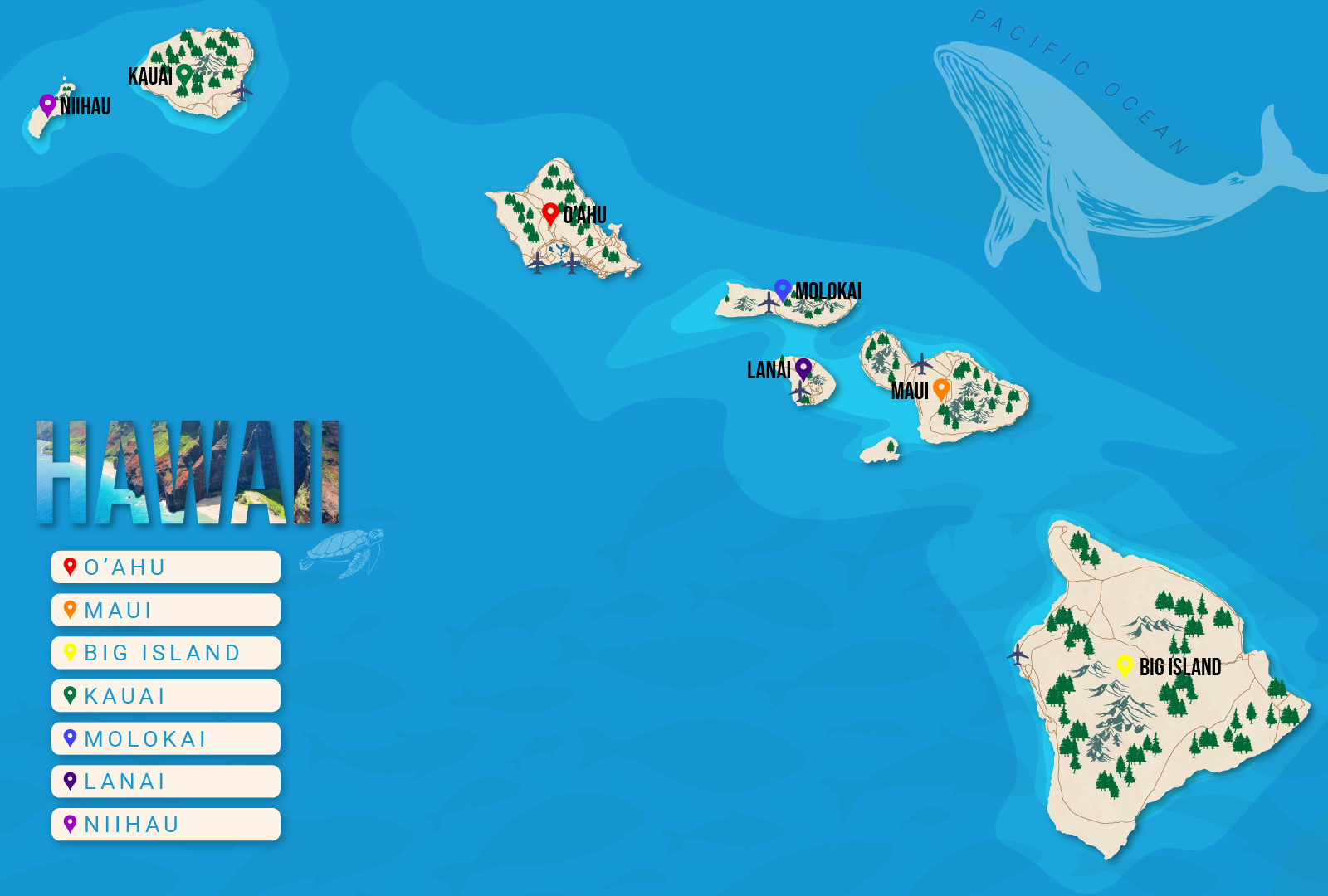
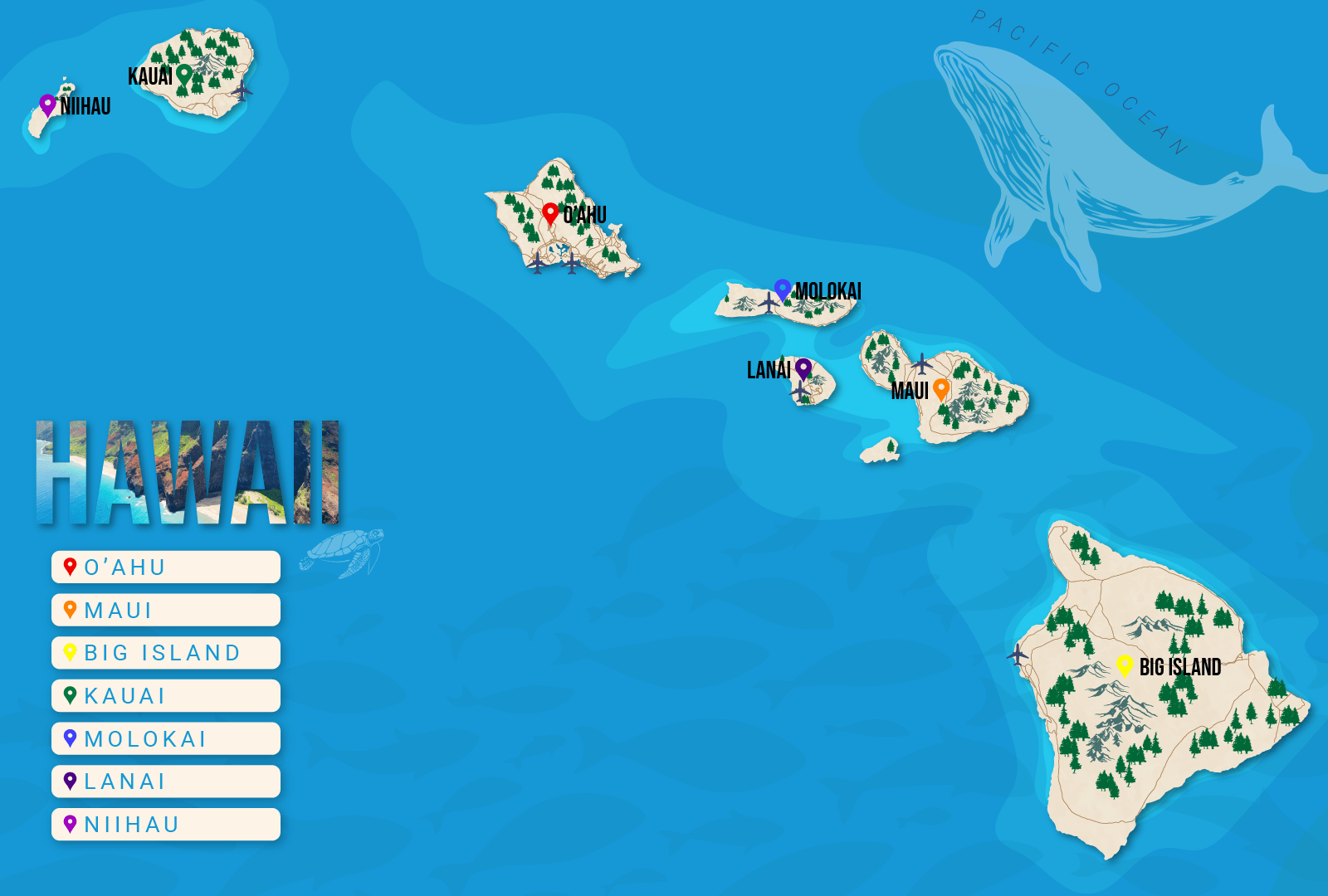
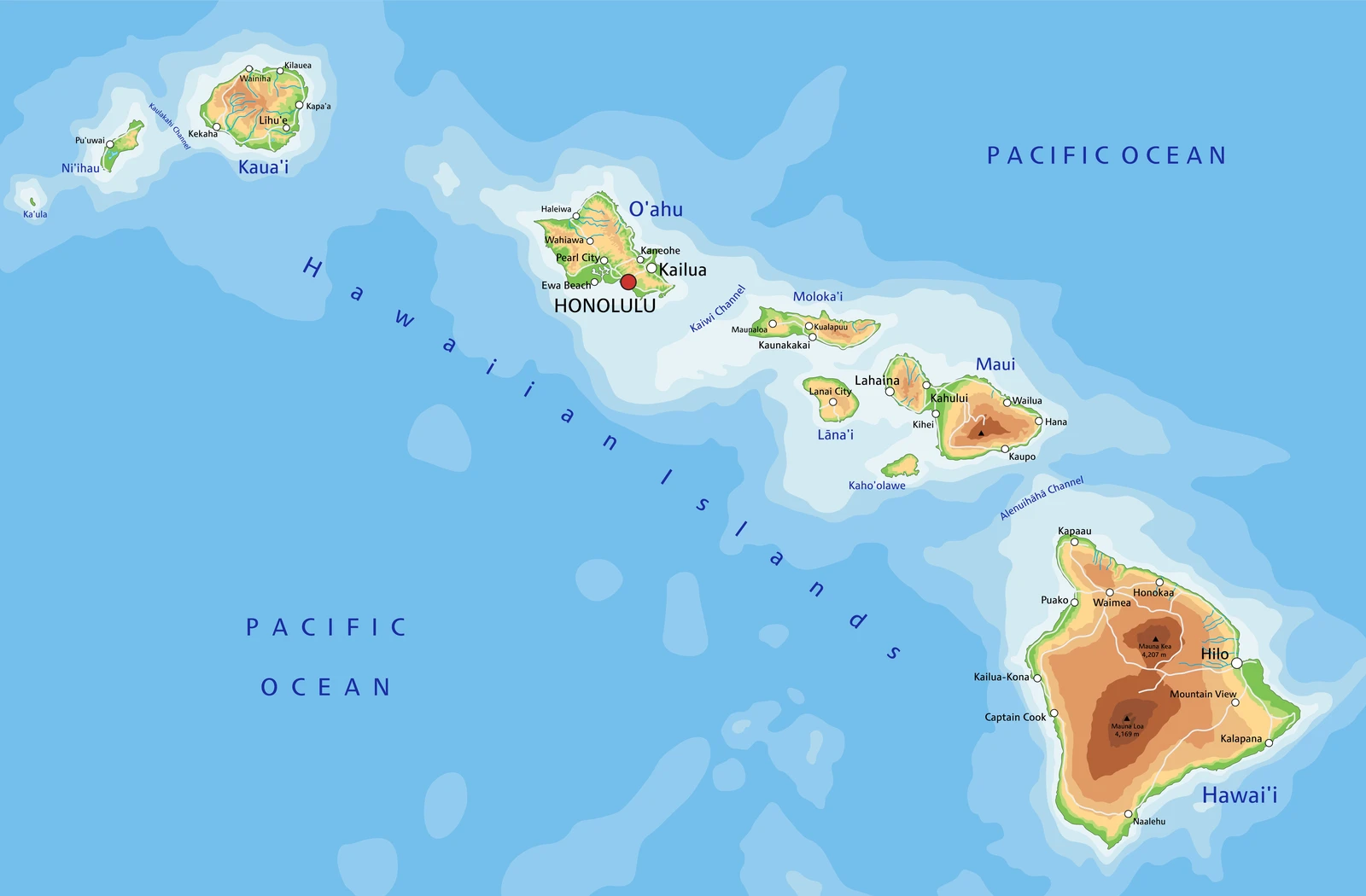
The Hawaiian archipelago stretches roughly 1,500 miles across the central Pacific Ocean. The main islands, from northwest to southeast, are Niihau, Kauai, Oahu, Molokai, Lanai, Maui, and Hawaii (the Big Island). Kaho’olawe, the eighth island, is managed by the state and is not open to visitors.
1. Oahu: The Gathering Place
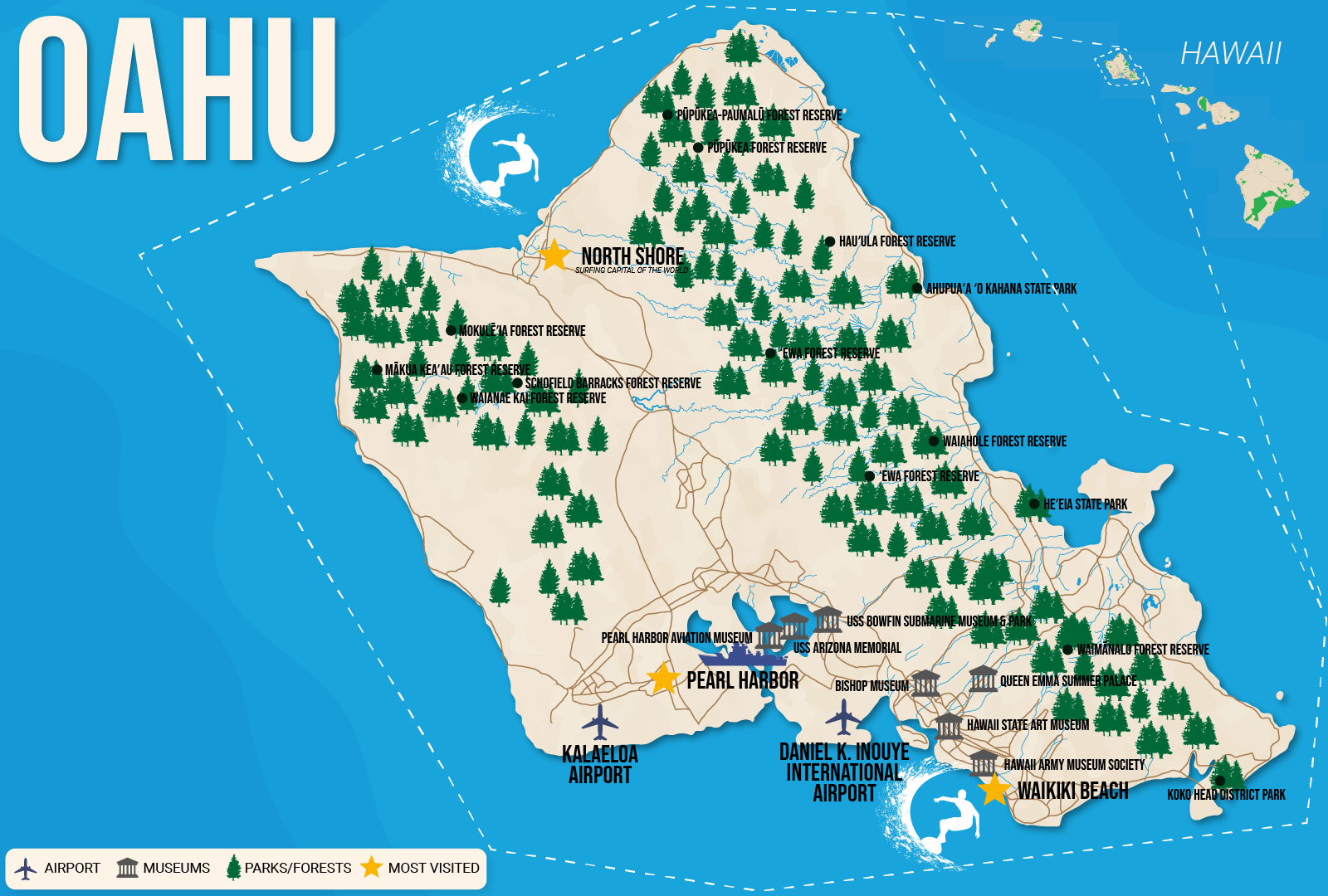
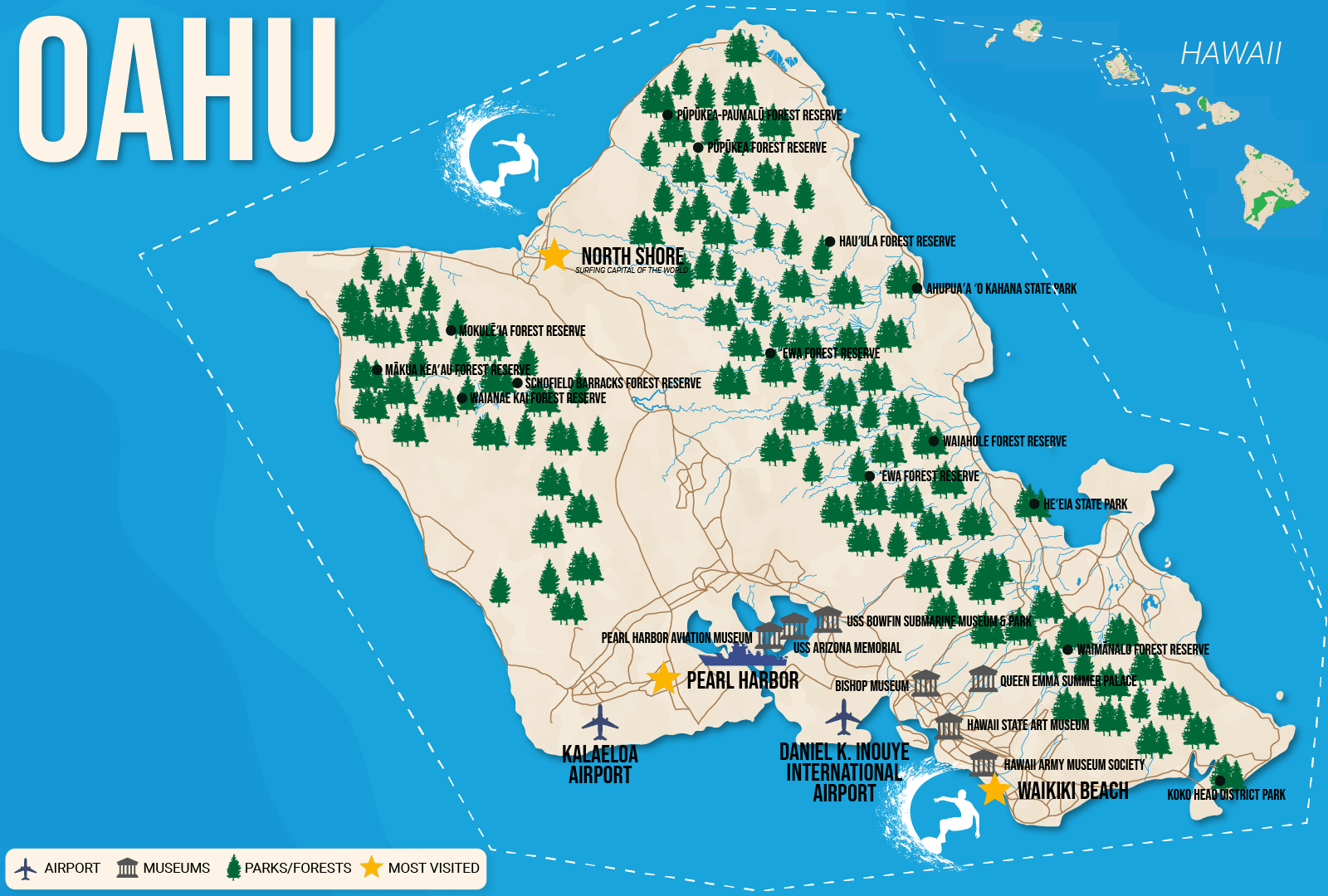
Oahu is the most visited and most populated of the Hawaiian islands, home to Honolulu, Waikiki, and some of the most recognizable shorelines in the world. It earns its nickname, the Gathering Place, both for its population and for the range of experiences it concentrates in one place: surf-famous beaches, a rich military history, high-end dining, and some of the state’s most accessible hiking.
The North Shore is the global center of big-wave surfing, drawing professional athletes and spectators every winter. Pearl Harbor remains one of the most visited historical sites in the United States. And Waikiki, for all its density, delivers exactly what first-time visitors to Hawaii tend to picture: warm water, soft sand, and a backdrop of volcanic peaks.
Oahu works particularly well for first-time visitors and families who want the full Hawaiian experience without sacrificing convenience. Hotels, restaurants, and public transportation are more developed here than on any other island.
Read more: Where to Stay in Oahu
2. Maui: Adventure and Natural Beauty
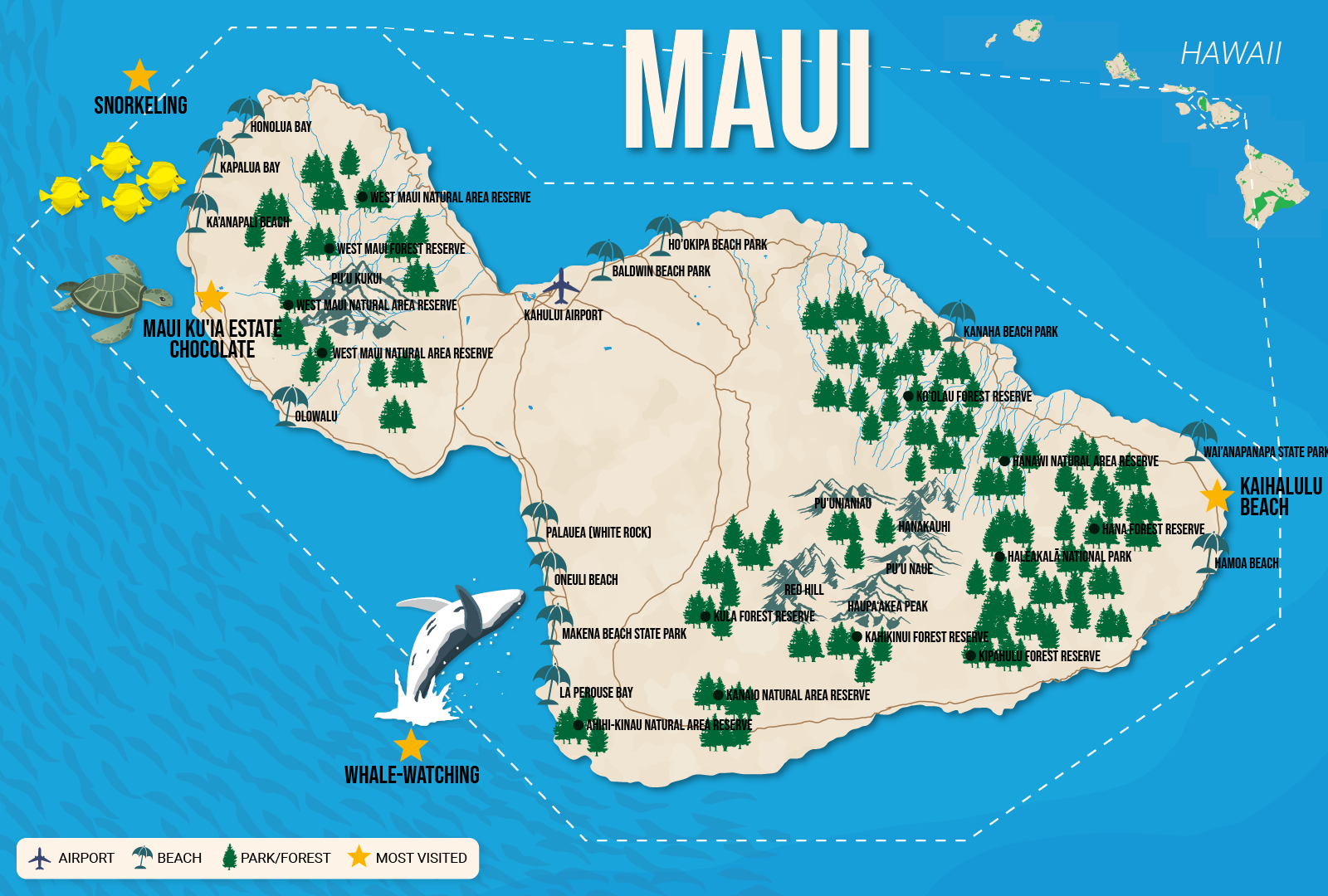
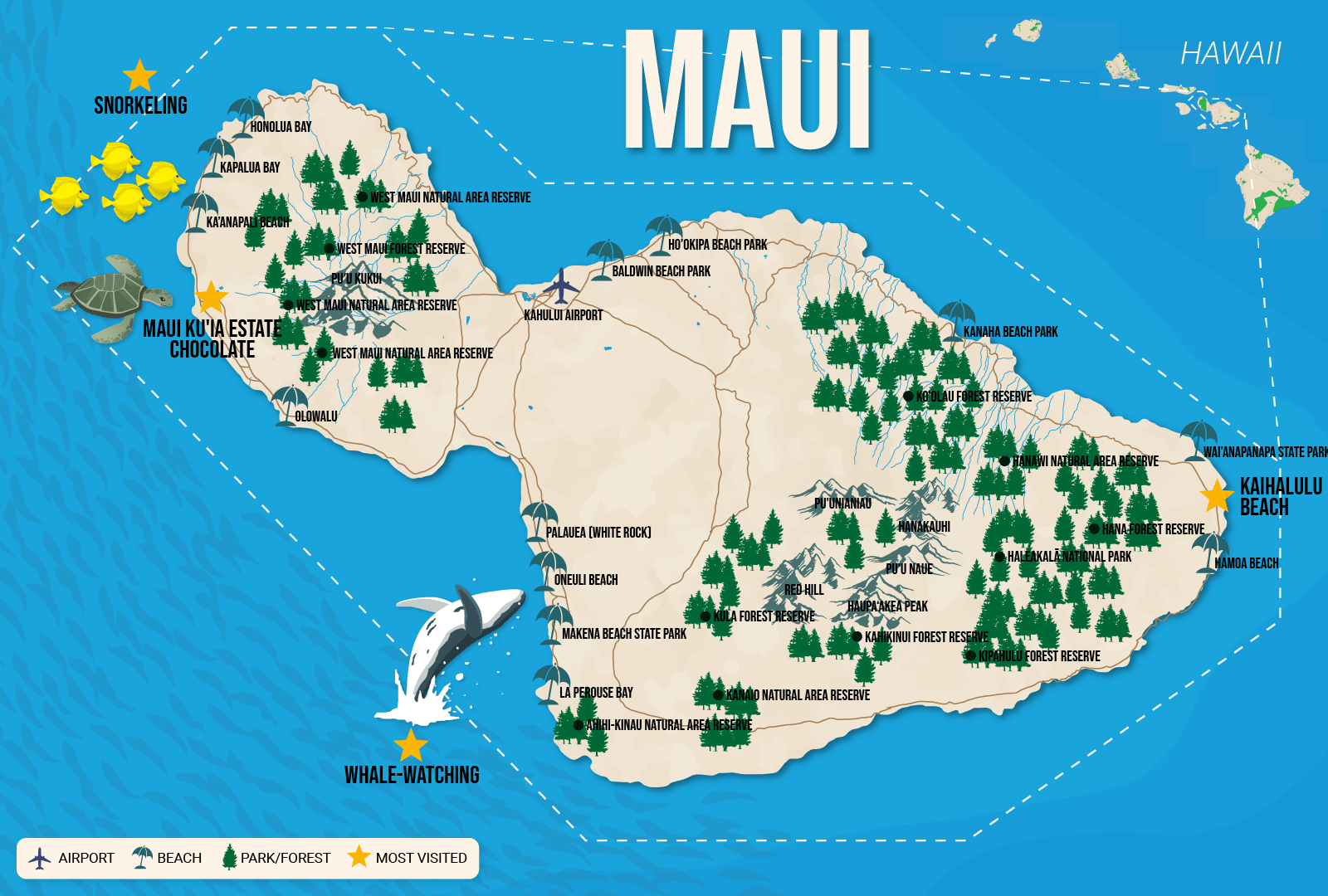
Maui is the second-largest Hawaiian island and the one most associated with adventure travel. The Road to Hana, a 64-mile coastal highway threading through jungle, waterfall country, and sea cliffs, ends at Waianapanapa State Park, where the black sand beach is one of the most dramatic in the Pacific. Haleakala, the dormant volcano that takes up a large portion of the island, draws visitors at both sunrise and sunset for views above the clouds.
Between November and April, humpback whales gather in the waters off Maui’s western coast in some of the highest concentrations found anywhere in the world. Snorkeling around Molokini Crater, a partially submerged volcanic caldera offshore, consistently draws strong reviews for underwater visibility and marine life.
Maui also has a developed restaurant scene, particularly around Lahaina and Wailea, and a range of accommodation options from budget guesthouses to high-end oceanfront resorts.
3. The Big Island: Scale and Extremes
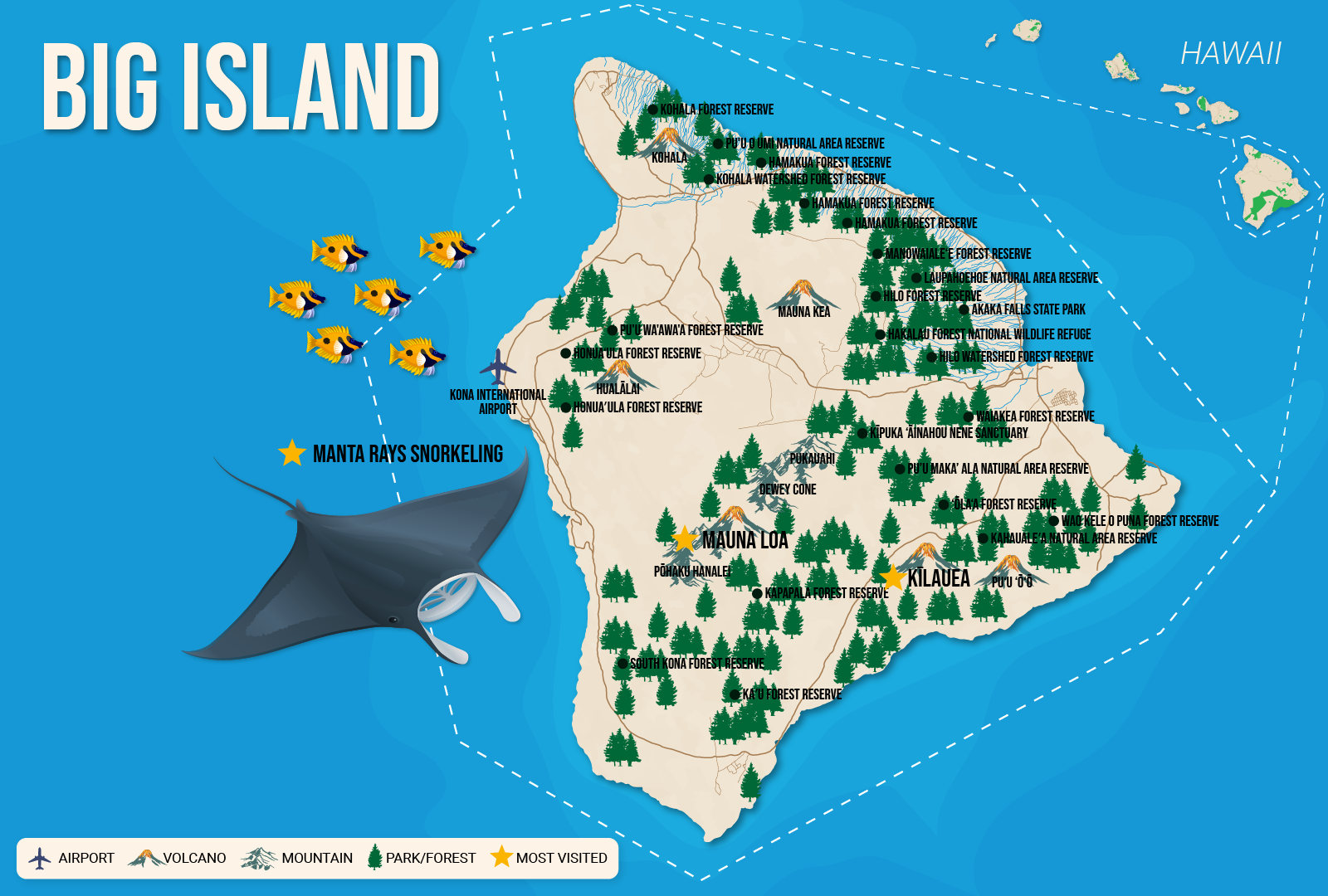
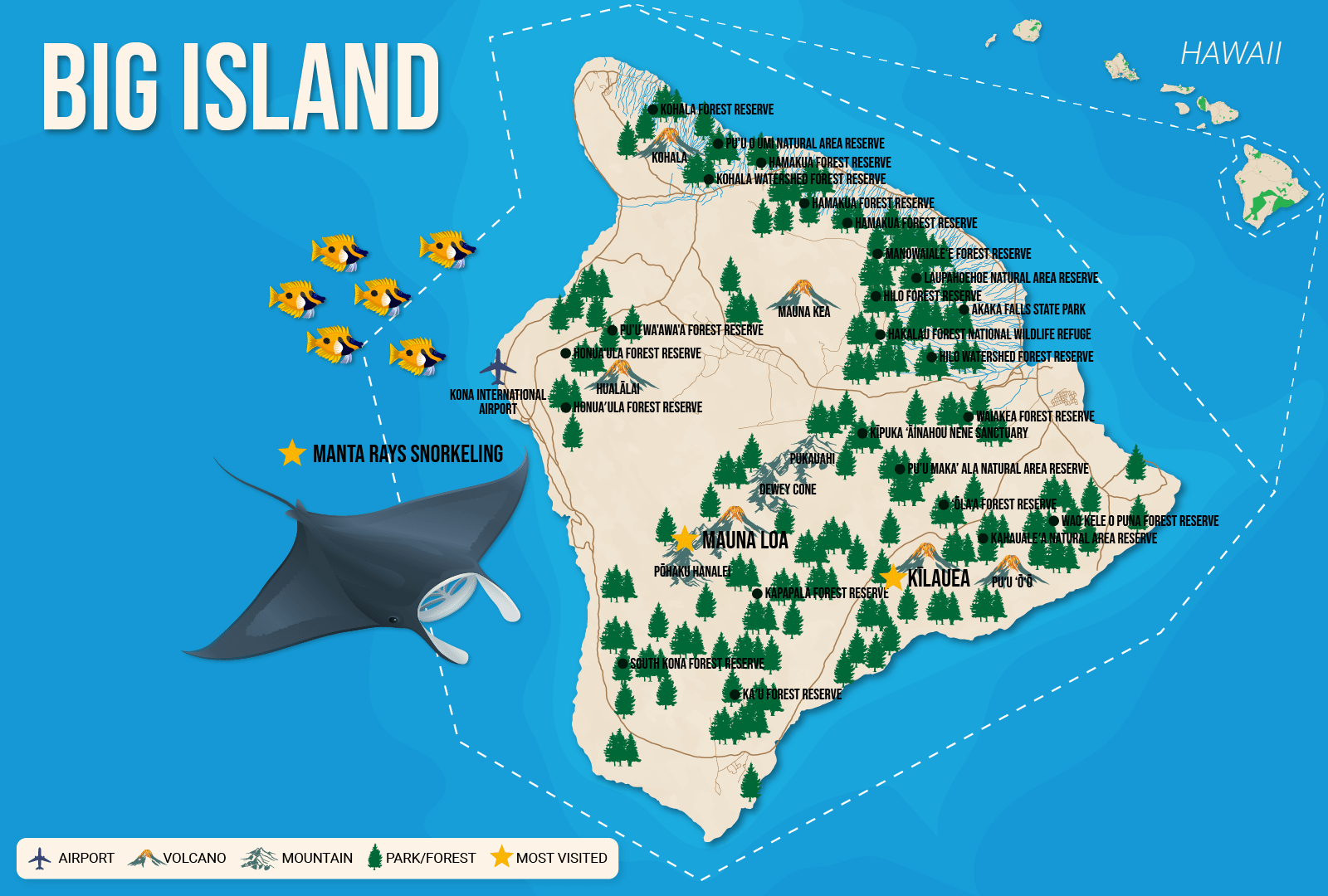
The island of Hawaii, almost always called the Big Island, is nearly double the land area of all the other Hawaiian islands combined. That size creates a landscape of genuine extremes: tropical rainforest on the east side, lava desert on the south, snow on the summit of Mauna Kea in winter, and coffee farms and ranch land across the north.
Hawaii Volcanoes National Park is the centerpiece of the island’s appeal. Kilauea has been one of the world’s most continuously active volcanoes, and conditions within the park change regularly. Check the National Park Service’s current status page before visiting, as eruption activity and trail closures can affect access at any time.
The Big Island also offers manta ray night snorkeling off the Kona Coast, green sea turtle sightings at Punalu’u Black Sand Beach, and some of the best stargazing on Earth from the summit of Mauna Kea.
Read more: Where to Stay on the Big Island | Best Time to Visit the Big Island
4. Kauai: The Garden Island
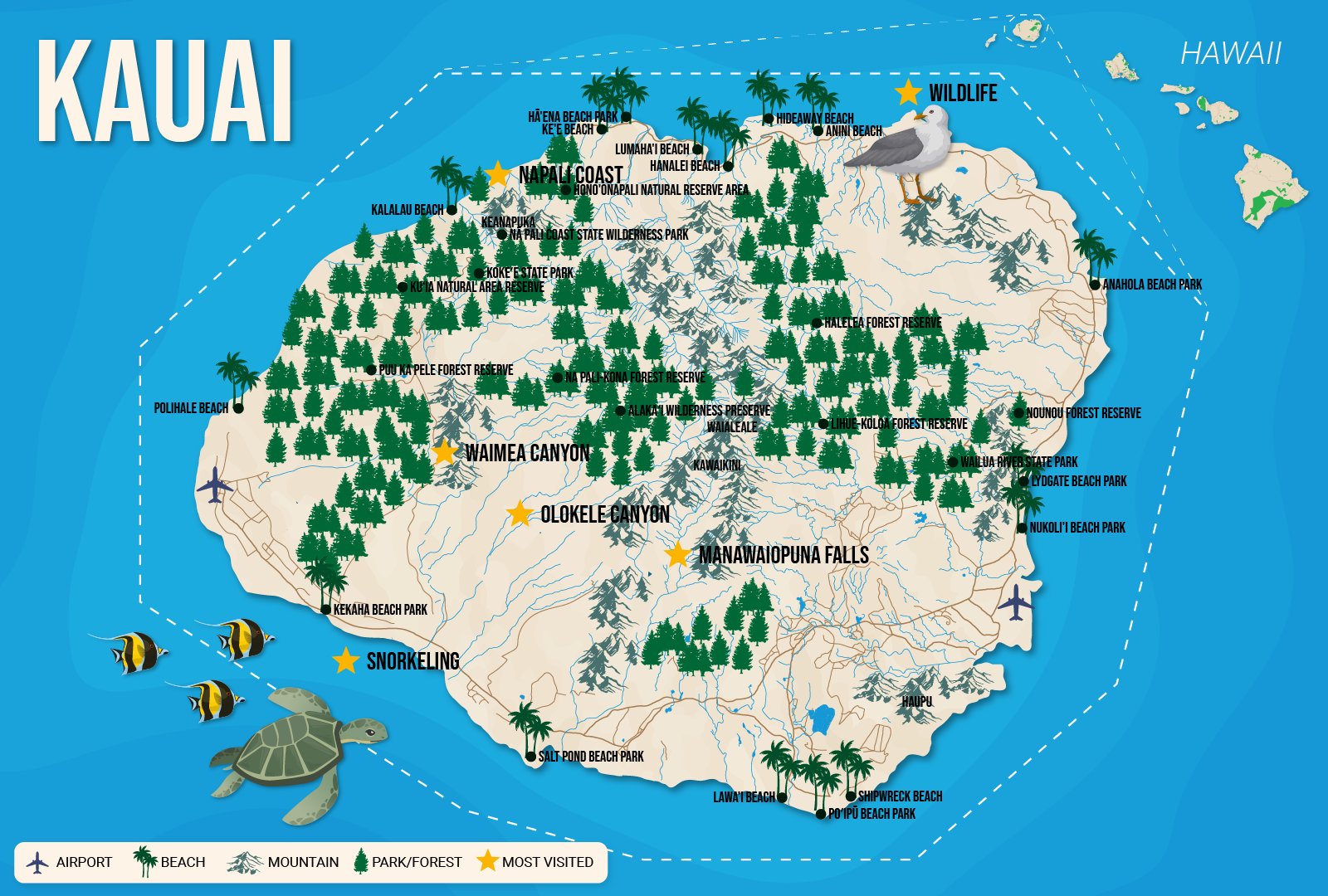
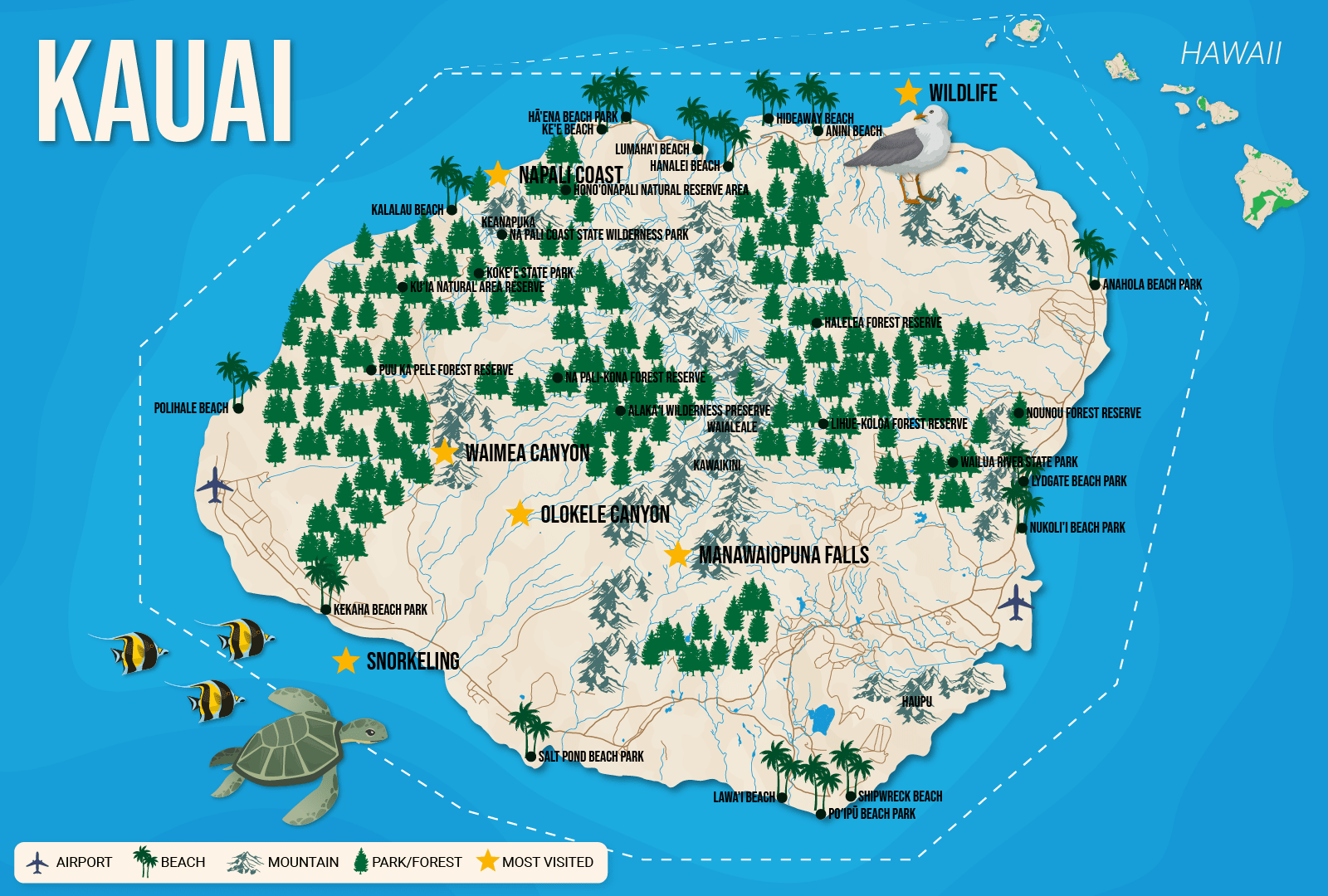
Kauai is the oldest of the main Hawaiian islands and, for many visitors, the most beautiful. The Na Pali Coast, a 17-mile stretch of fluted sea cliffs accessible only by boat, helicopter, or a demanding multi-day hike, is one of the most photographed coastlines in the Pacific. Waimea Canyon, carved by rivers over millions of years, reaches depths of more than 3,600 feet and is often compared, not unreasonably, to the Grand Canyon.
The island’s building codes restrict structures to heights lower than a coconut palm, which keeps the skyline low, the roads uncrowded, and the natural scenery dominant in a way that the larger islands cannot match. Kauai receives more rainfall than the other main islands, which is what keeps it so intensely green, but much of that falls on the interior mountains. The southern coast, around Poipu, sees reliably sunny weather.
Hawaiian monk seals and green sea turtles rest on Kauai’s beaches regularly. Snorkeling around Tunnels Beach on the north shore ranks among the best in the state when conditions are calm.
Read more: Where to Stay in Kauai | Best Hikes in Kauai
5. Molokai: Off the Beaten Path
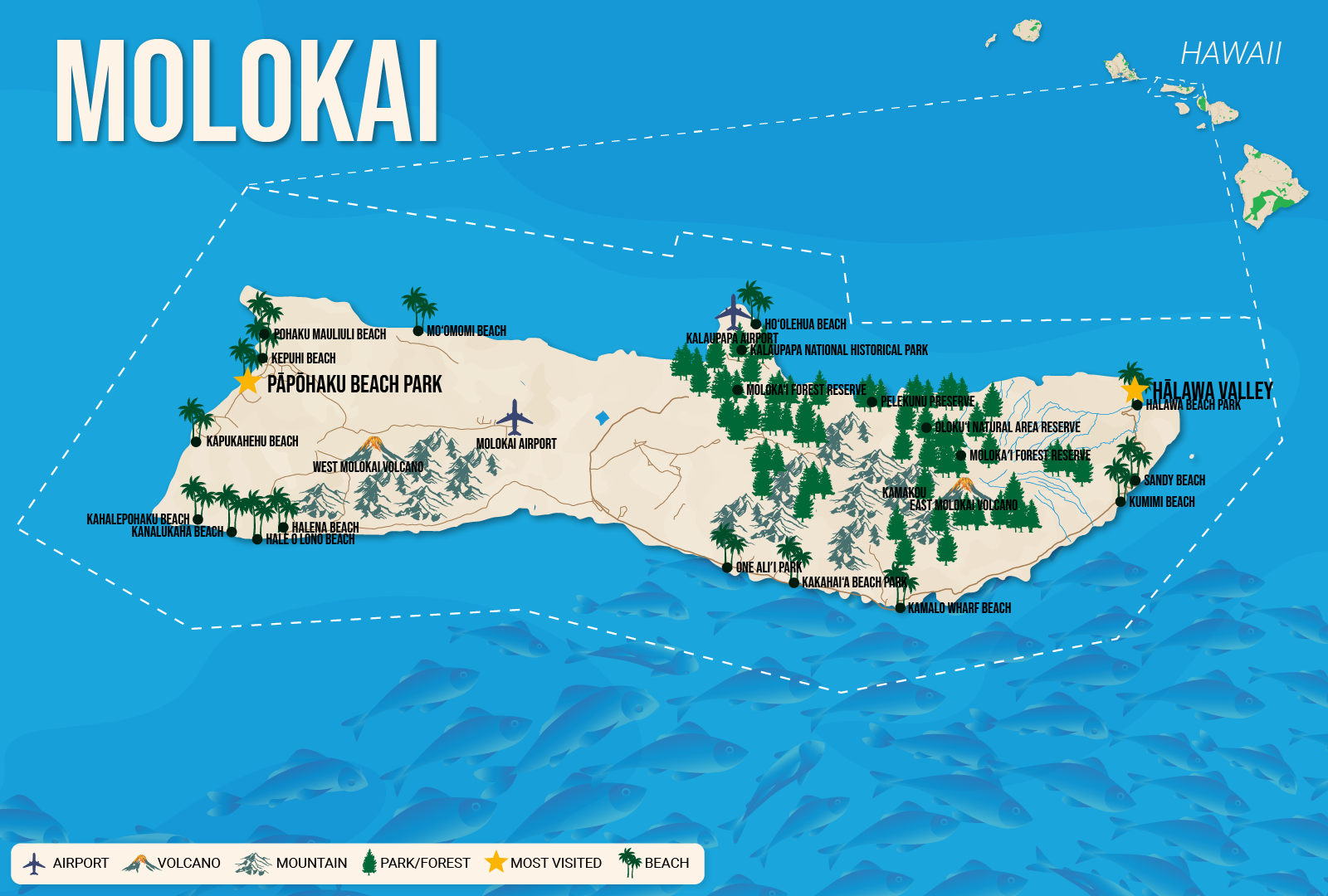
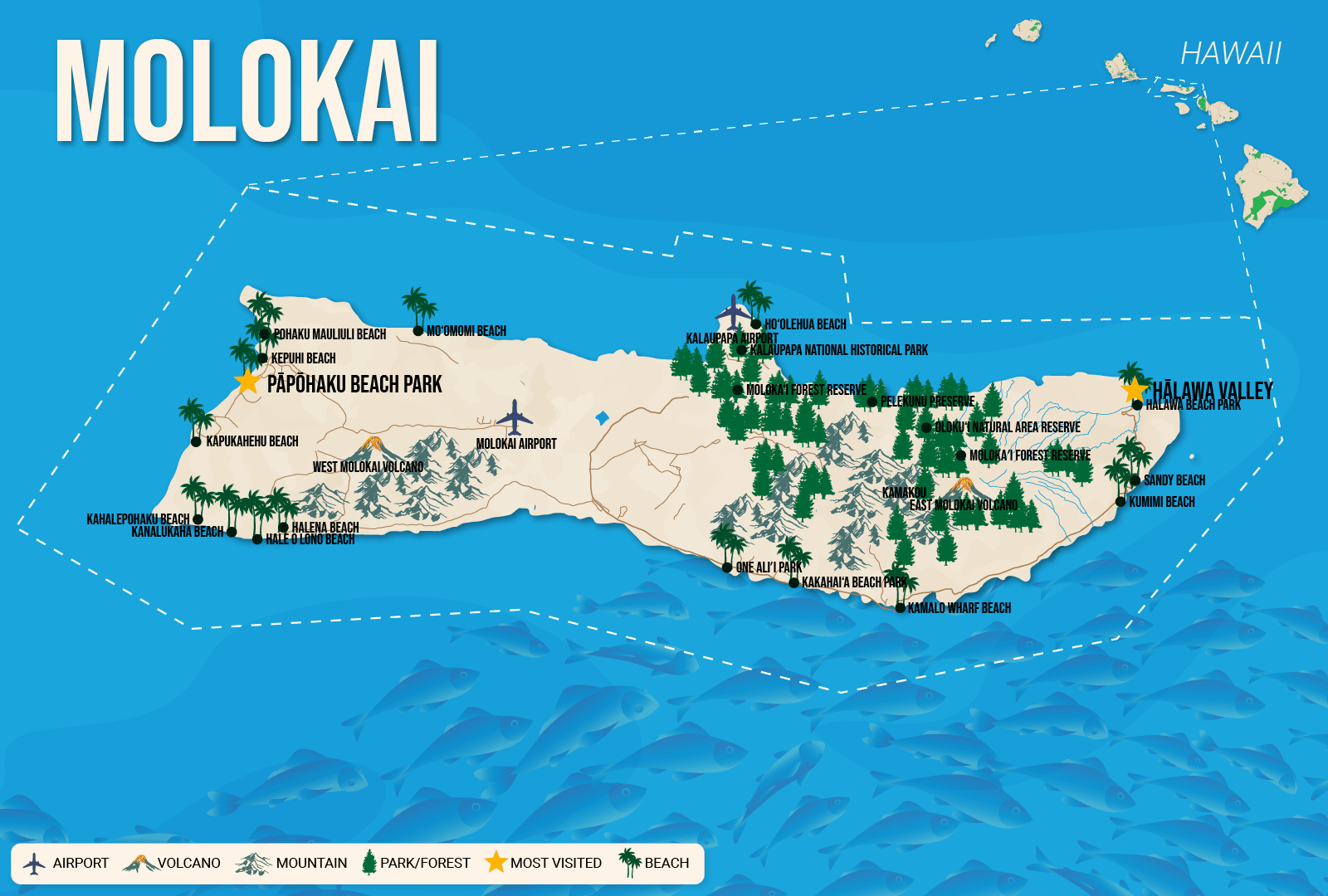
Molokai is the least commercially developed of the main Hawaiian islands and, for visitors who seek it out deliberately, that is precisely the point. There are no traffic lights, no large resorts, and no high-rise hotels. The island has resisted the kind of development that has transformed Oahu and Maui, which means it moves at a pace closer to what Hawaii felt like decades ago.
Papohaku Beach on the west shore is one of the largest white sand beaches in the state, nearly three miles of mostly empty shoreline. The sea cliffs along Molokai’s north coast are the tallest in the world, and the Kalaupapa National Historical Park, accessible only by mule trail, small aircraft, or a demanding hike, preserves the site of a former leprosy settlement with one of the more sobering histories in Hawaii.
Molokai suits independent travelers comfortable with fewer amenities and a genuinely slower pace.
6. Lanai: Small Island, High-End Experience
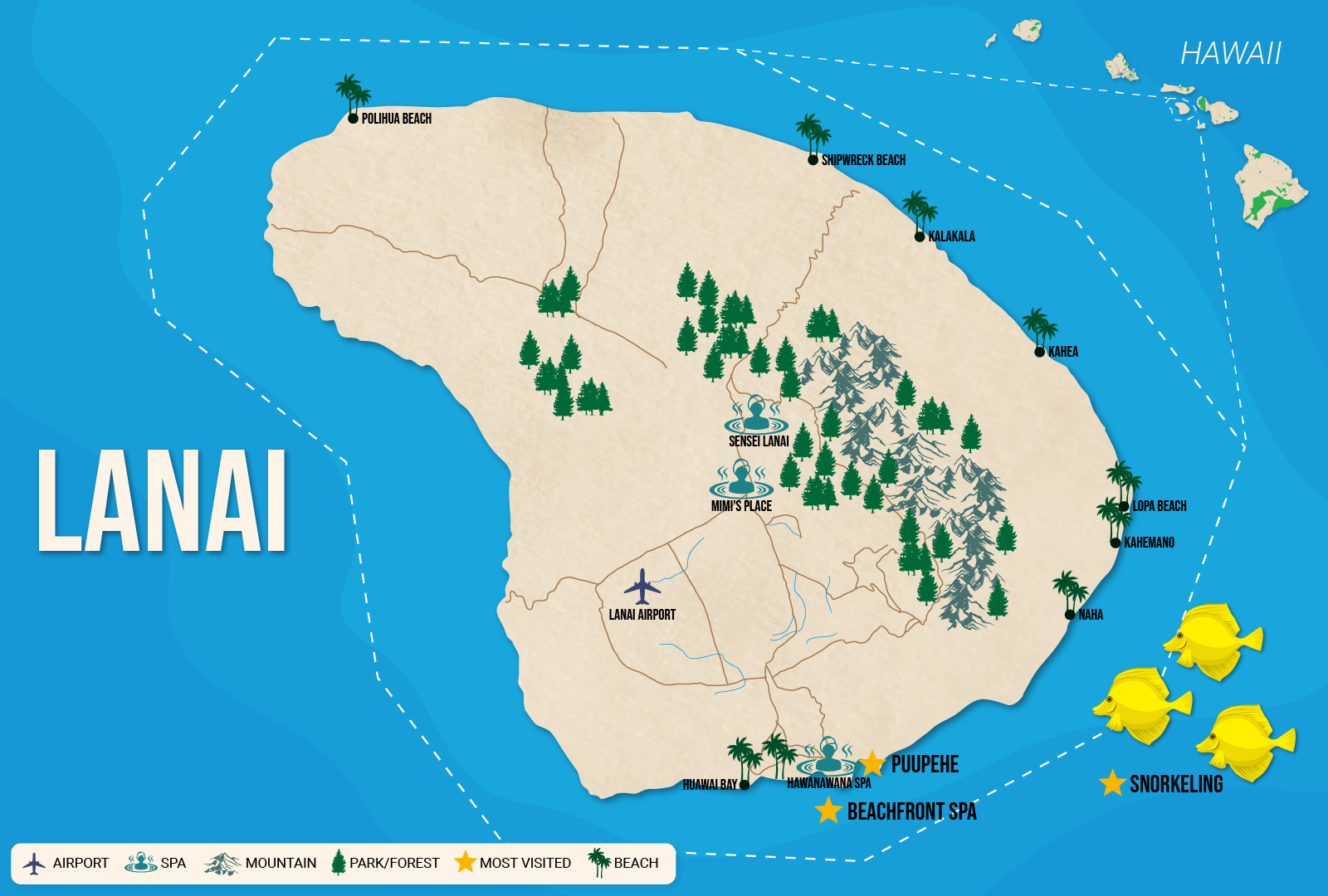
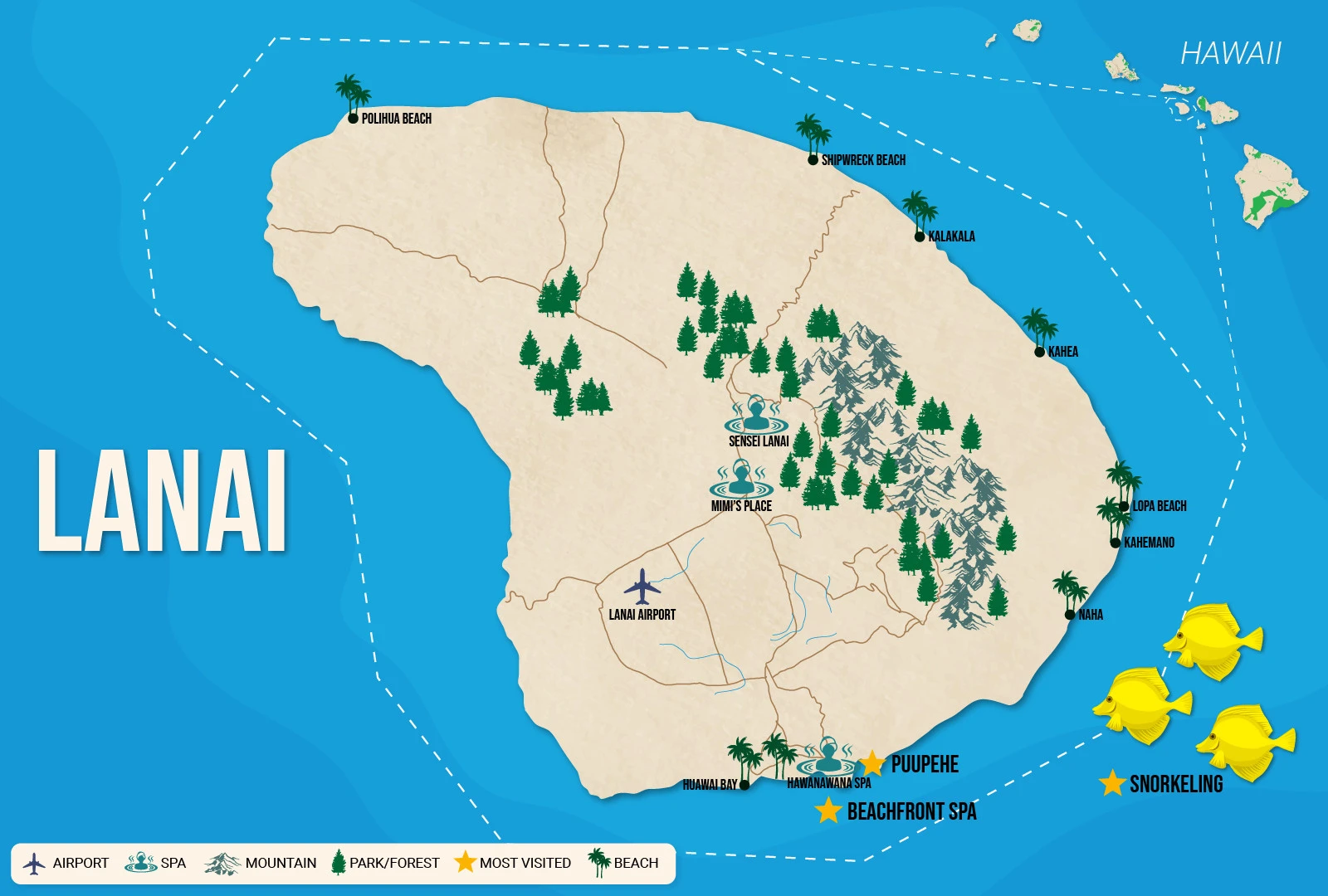
Lanai is the smallest publicly accessible Hawaiian island, with around 30 miles of paved roads and a resident population of under 3,000. Almost all of the island is owned by tech entrepreneur Larry Ellison, who has invested heavily in its two major hotels: the Four Seasons Resort Lanai and the smaller Four Seasons Resort Lanai at Manele Bay. As a result, Lanai’s accommodation options are limited but genuinely world-class at the upper end.
Hulopoe Bay on the southern coast offers calm, clear water and reliable snorkeling. The Garden of the Gods, a remote landscape of eroded red rock formations on the island’s north end, is worth the four-wheel-drive road required to reach it. Lanai suits travelers looking for quiet, privacy, and a high standard of service without many crowds.
7. Niihau: The Forbidden Island
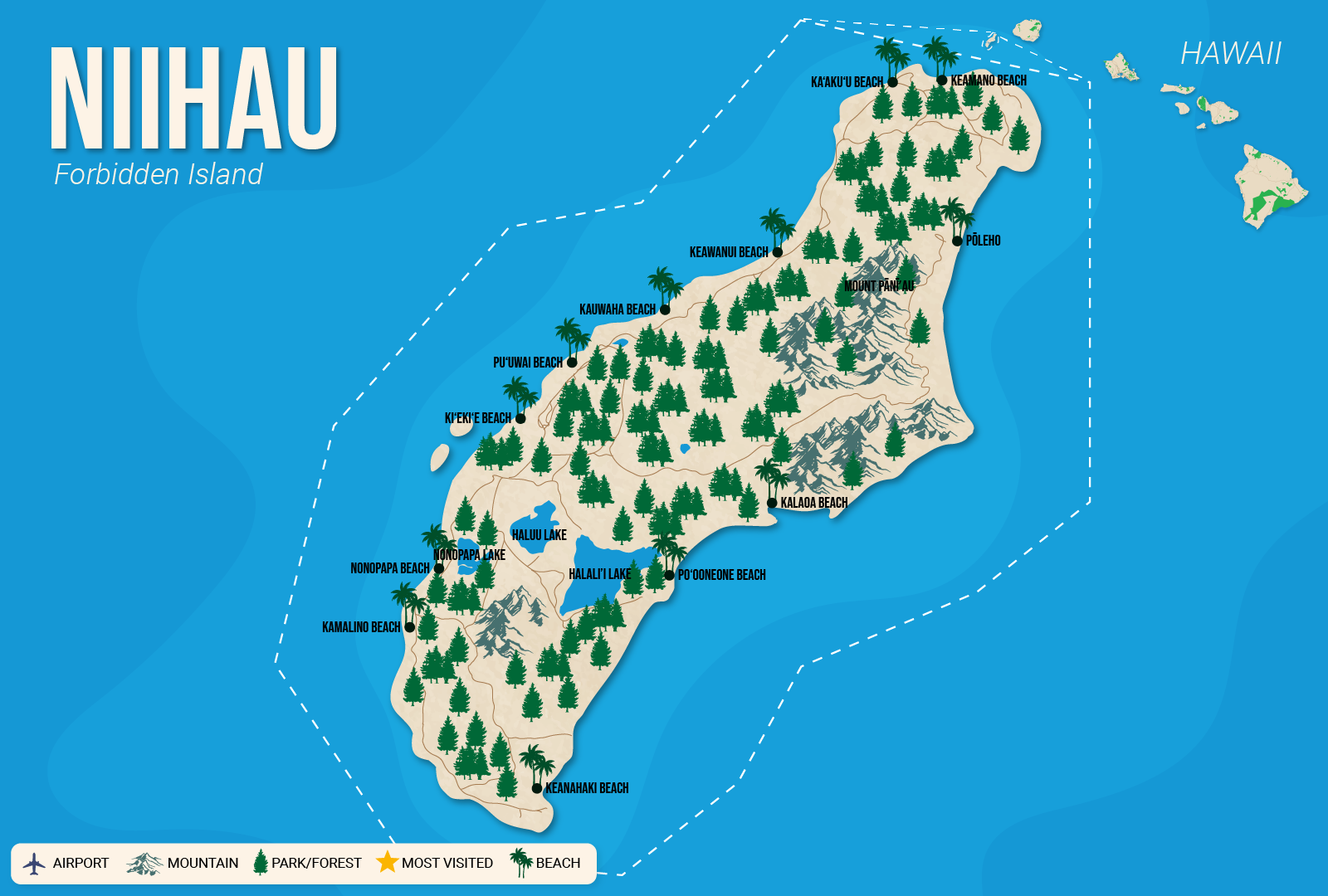
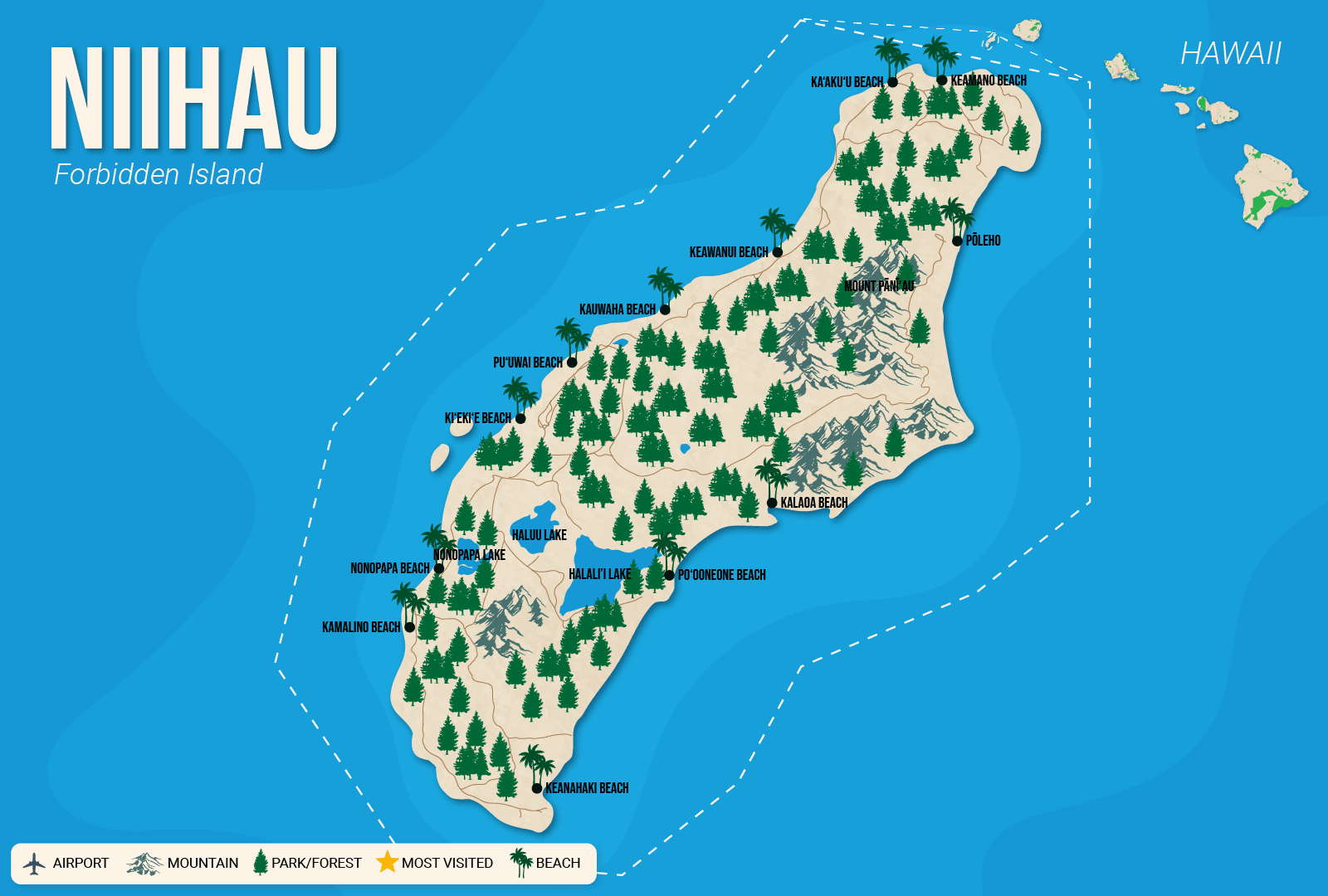
Niihau is privately owned by the Robinson family, who purchased it from the Hawaiian kingdom in 1864 with a commitment to preserve Hawaiian culture and way of life. That commitment remains in place. The island has no hotels, no public roads, no electricity grid, no running water, and no internet. The roughly 70 permanent residents, most of them native Hawaiian speakers, live as the family has always lived, hunting, fishing, and maintaining traditions that have largely disappeared elsewhere in the state.
Visits are not available to the general public. The Robinson family does offer limited helicopter tours that land briefly on the coast, and there are occasional safari-style excursions for hunting, but the island’s interior and community are not accessible to visitors. If an invitation to visit ever arises through personal connection, it is one of the rarest travel experiences available in the United States.
Frequently Asked Questions
What are the names of the 7 Hawaiian islands?
The seven main Hawaiian islands open to visitors are Oahu, Maui, Hawaii (the Big Island), Kauai, Molokai, Lanai, and Niihau. Kaho’olawe is the eighth island but is closed to the public and managed by the state.
Which Hawaiian island should I visit first?
Oahu is the most practical first choice for most visitors. It has the widest range of hotels at every price point, the most developed transportation infrastructure, and the highest concentration of major sights, including Waikiki, Pearl Harbor, and the North Shore. First-timers who want more seclusion often do well starting with Maui instead.
Which Hawaiian island is the most beautiful?
Kauai is most often cited as Hawaii’s most scenic island, largely because of the Na Pali Coast and Waimea Canyon. That said, beauty is relative to what you find compelling: Maui’s black sand beaches, the Big Island’s volcanic landscapes, and Molokai’s sea cliffs all make strong cases of their own.
What is the cheapest Hawaiian island to visit?
Oahu typically offers the widest range of affordable options because of its size and the sheer volume of accommodation and dining. The Big Island can also be budget-friendly, particularly on the Hilo side. Maui and Lanai tend to run more expensive across the board.
What is the least crowded Hawaiian island?
Molokai sees fewer visitors than any of the main tourist islands and has made a deliberate choice to keep it that way. Lanai is also relatively uncrowded. Among the more popular islands, Kauai and the Big Island feel noticeably less dense than Oahu and Maui.
Is there a ferry between Hawaiian islands?
The Molokai Ferry connects Maui and Molokai, and the Expeditions Ferry (Lahaina to Manele Bay) connects Maui and Lanai. Inter-island travel between other islands requires a short flight. Hawaiian Airlines, Southwest Airlines, and Mokulele Airlines all operate frequent inter-island service.
What is the least populated Hawaiian island?
Niihau has fewer than 100 permanent residents and is not accessible to the public. Among the islands that accept visitors, Molokai has the smallest population, at roughly 7,000 people.
How the Islands Compare
| Best For | Island |
|---|---|
| First-time visitors and families | Oahu |
| Adventure and whale watching | Maui |
| Volcanoes and diverse landscapes | Big Island |
| Natural scenery and hiking | Kauai |
| Quiet, off-the-grid travel | Molokai |
| Luxury and seclusion | Lanai |
For more on planning your trip, see our guides on the best time to visit Hawaii, where to stay in Hawaii, and our picks for the best Hawaiian islands by traveler type.