


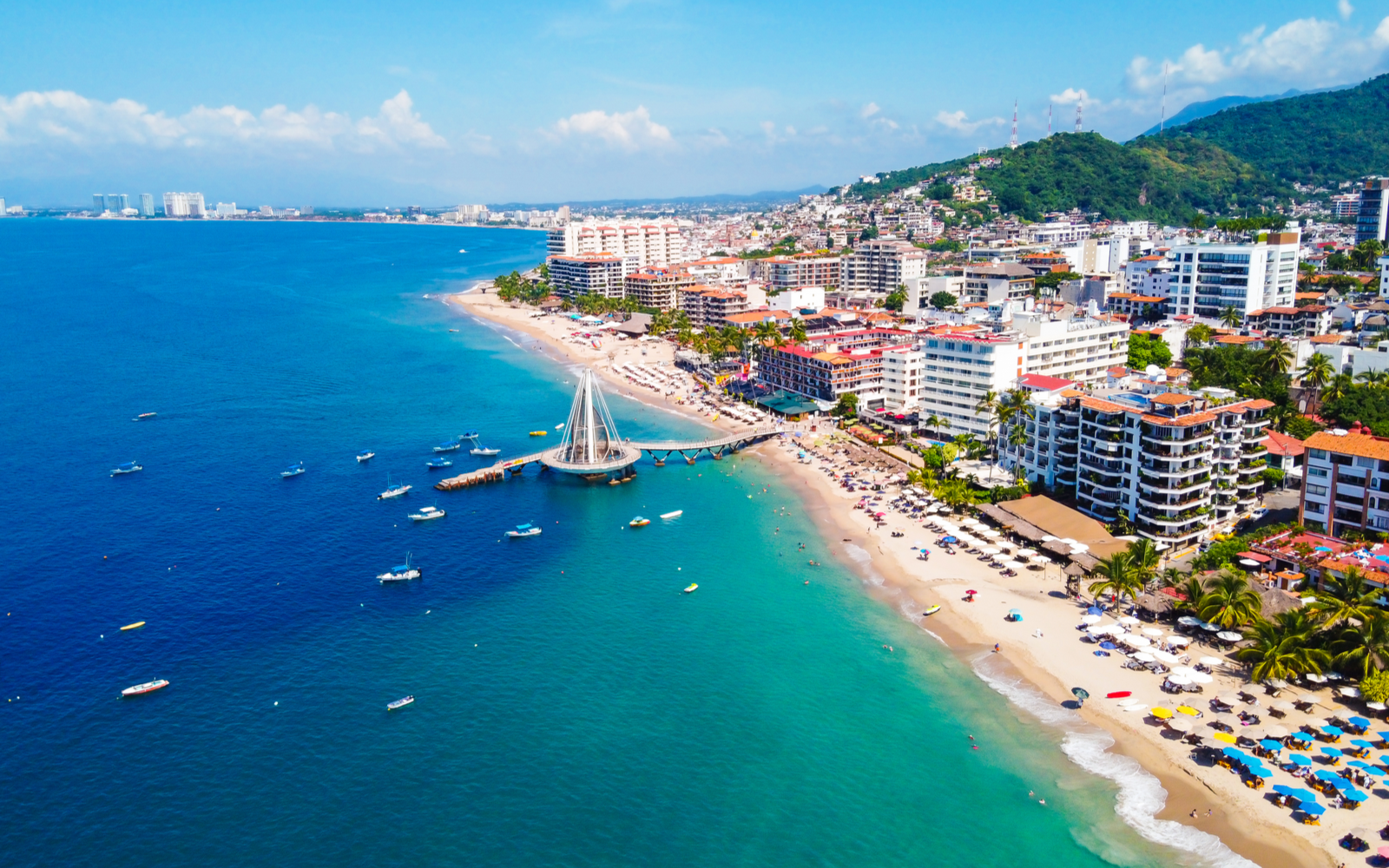
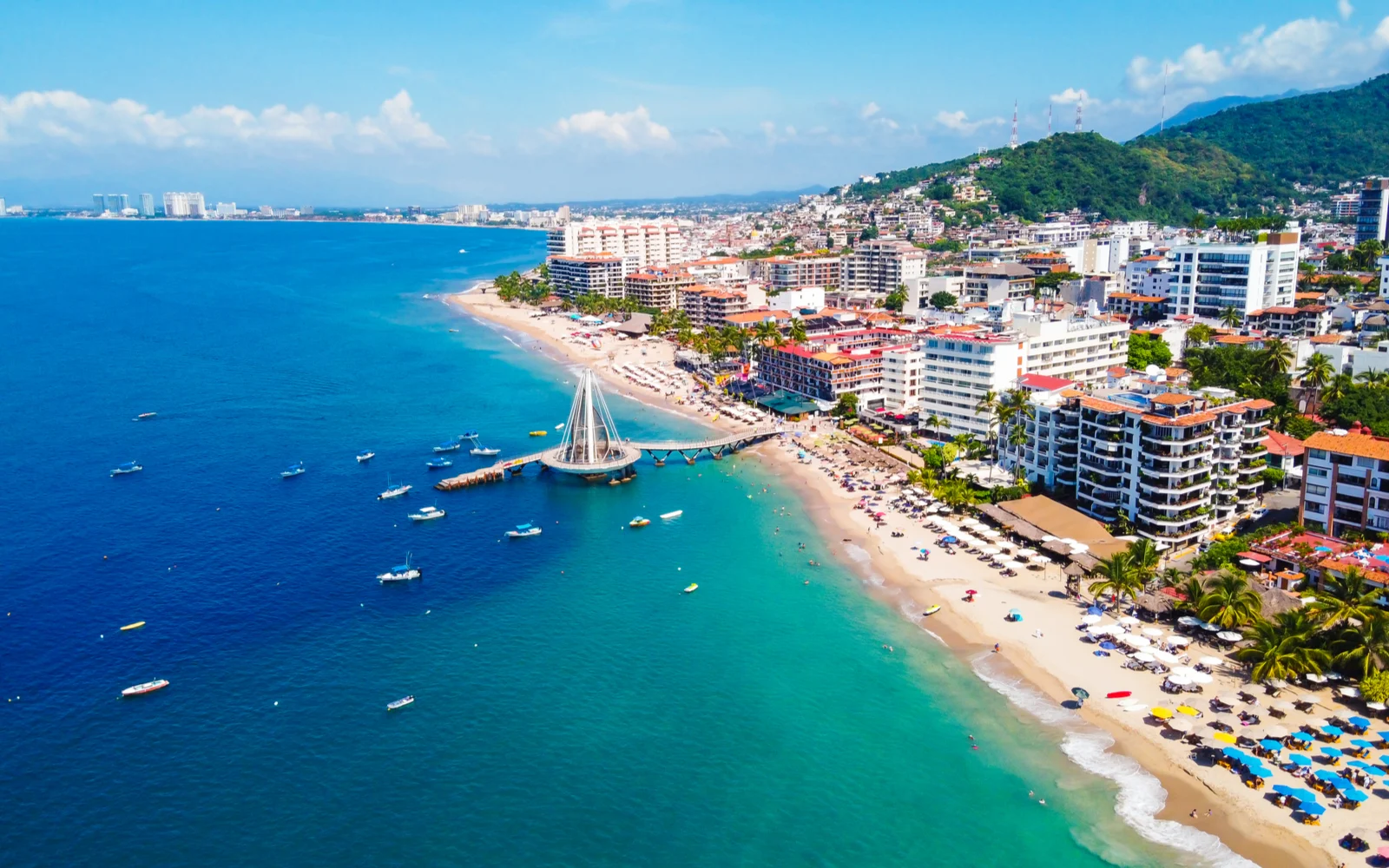
Is Puerto Vallarta safe to visit in 2026?
Puerto Vallarta is generally safe for tourists despite sitting in Jalisco state, which carries a Level 3 U.S. State Department advisory. The advisory explicitly states there are no travel restrictions for the city’s tourist areas, and Puerto Vallarta consistently ranks among the safest cities in Mexico by actual crime data. The February 2026 cartel violence disrupted the city briefly but has since stabilized.


Puerto Vallarta is one of Mexico’s most beloved travel destinations, and for good reason. The Malecon, the Romantic Zone, the bay views, the food, it earns its reputation. But it sits in a complicated state, and events in February 2026 put that complication squarely in front of travelers in a way that cannot be glossed over.
This guide gives you an honest, current assessment so you can make an informed decision about your trip.
Is Puerto Vallarta Safe to Visit? What the Travel Advisories Actually Say
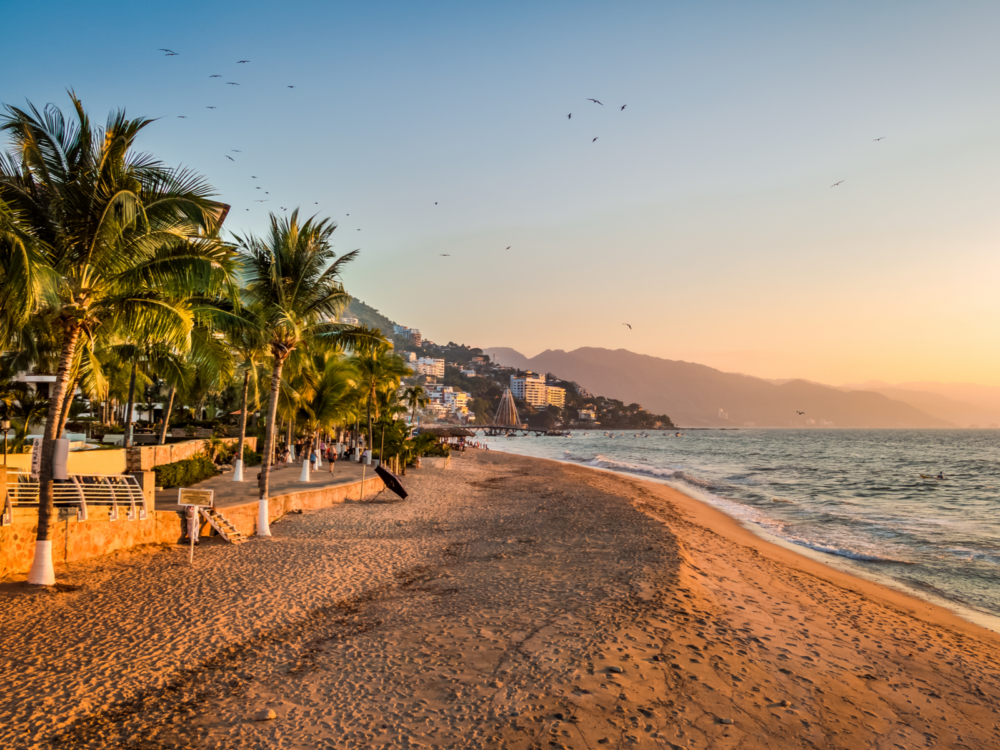
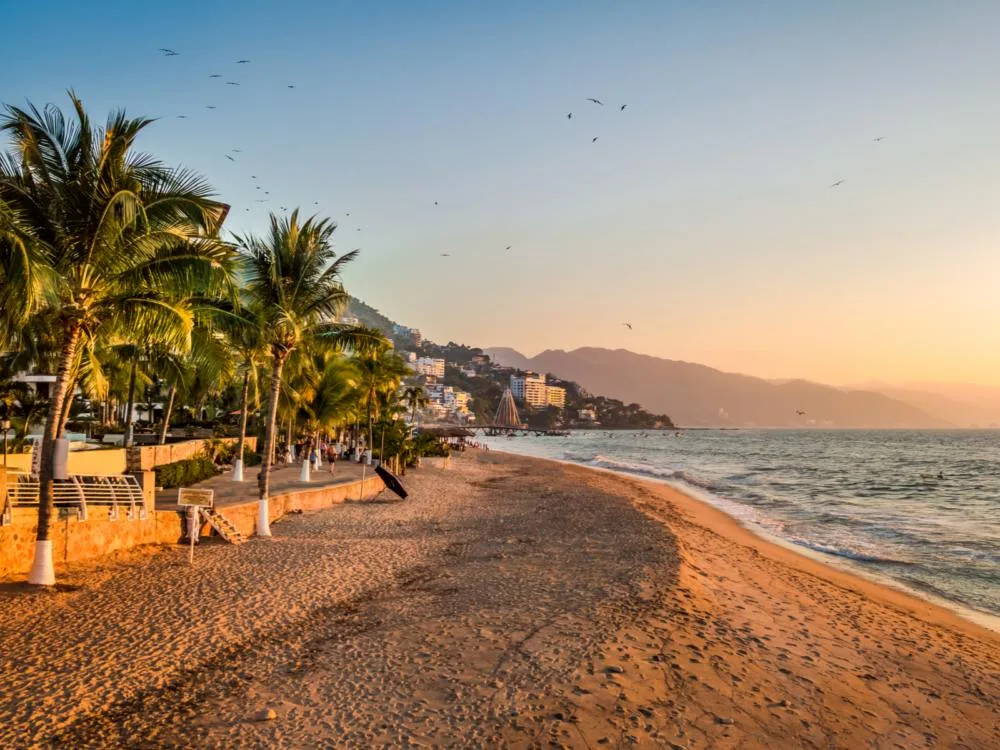
Diego Grandi/Shutterstock
This is where Puerto Vallarta differs meaningfully from destinations like Cabo. Jalisco state, where Puerto Vallarta is located, carries a Level 3: Reconsider Travel advisory from the U.S. State Department, due to crime and kidnapping. That is one step below the highest warning level.
However, the fine print matters enormously here. The same advisory explicitly states there are no restrictions on travel for U.S. government employees visiting Puerto Vallarta’s tourist areas. That distinction is significant: the Level 3 rating reflects conditions in rural southern Jalisco, cartel corridor areas near the Colima and Michoacan borders, and parts of Guadalajara, not the beach and resort zones of Puerto Vallarta itself.
The Canadian government advises exercising a high degree of caution in Mexico, and Jalisco is flagged as one of the higher-concern states. The Australian government takes a similar position. None of these advisories say do not go to Puerto Vallarta. They say go carefully and stay aware.
Understanding the Jalisco Level 3 in Practice
Puerto Vallarta ranks as one of the safest cities in Jalisco, and one of the safest major tourist destinations in all of Mexico, despite its state-level advisory. Mexico’s National Institute of Statistics INEGI confirmed in its January 2026 survey that Puerto Vallarta remains the safest major urban center in Jalisco, significantly outperforming Guadalajara on resident safety perception.
According to the survey, 68% of Puerto Vallarta residents report feeling secure in their city. The state advisory exists because Jalisco is home to the Jalisco New Generation Cartel (CJNG), one of Mexico’s most powerful criminal organizations.
The cartel’s activity is concentrated in southern Jalisco and areas bordering Colima and Michoacan, regions with no tourist infrastructure and no reason for visitors to travel there. Puerto Vallarta, on the Pacific coast four hours from Guadalajara, operates in a very different environment.


Don't waste your hard-earned money. Get the best deal on your trip by comparing deals on Booking.com and Expedia!
- Options for all travel styles & budgets
- Price match guarantees
- Exclusive last-minute deals


February 2026: What Actually Happened and Where Things Stand
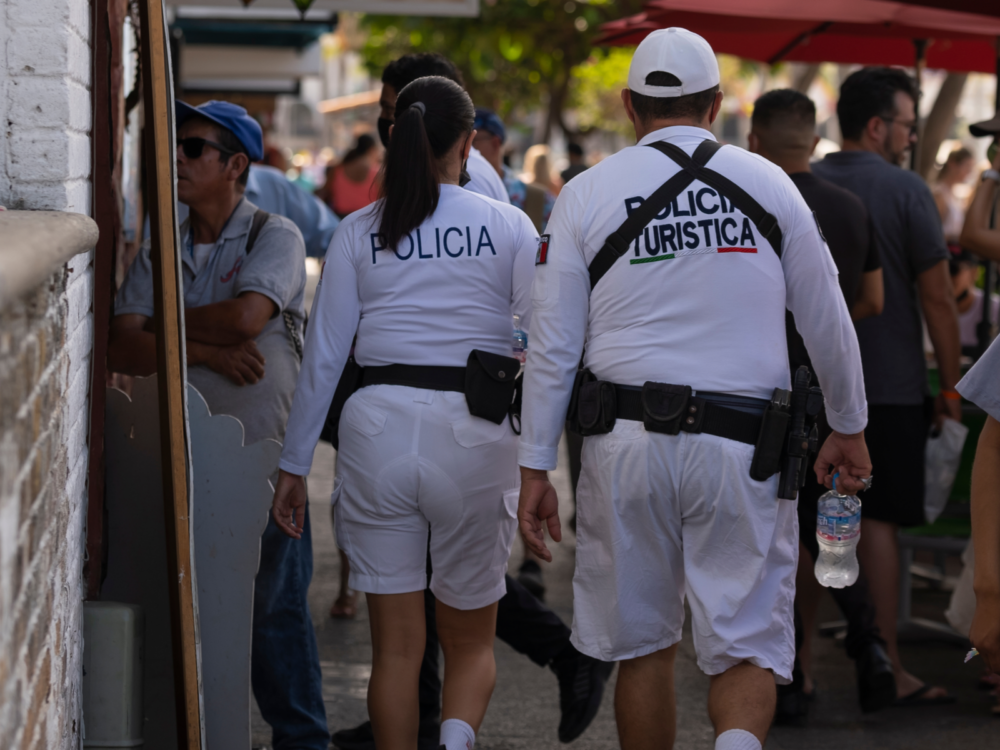
Elena Berd/Shutterstock
This section matters. Any guide that glosses over the February 2026 events is not giving you an accurate picture of Puerto Vallarta right now.
On February 22, 2026, Mexican special forces killed Nemesio Oseguera Cervantes, known as “El Mencho”, the leader of the CJNG, during a military operation in Tapalpa, about 80 miles southwest of Guadalajara. His death triggered immediate and violent retaliation from cartel members across Jalisco and beyond. Burning vehicles were used to block roads at over 250 points across 20 Mexican states.
Puerto Vallarta was directly affected: roads were blocked, flights were cancelled, rideshares were suspended, and the U.S. Embassy issued a shelter-in-place directive for Jalisco, specifically naming Puerto Vallarta. That was real, it was serious, and travelers with trips booked at the time were genuinely stranded or disrupted.
Here is where things stand as of late February 2026: the shelter-in-place orders have been lifted. Puerto Vallarta airport resumed domestic flights on February 23 and international flights on February 24.
Roads have been cleared and are under military monitoring. The Canadian government confirmed the situation has stabilized, while noting that further incidents remain possible. U.S. government staff in Puerto Vallarta remain subject to a nighttime curfew and cannot travel outside the metropolitan area, a restriction that has not yet been fully lifted.
The honest assessment is this: Puerto Vallarta has stabilized following a significant disruption, but Jalisco remains in a more unsettled period than it was before February 22. The killing of El Mencho is the biggest blow to organized crime in Mexico in over a decade, and analysts widely expect a period of inter-cartel conflict as rival groups attempt to seize CJNG-controlled territory.
This will play out primarily in criminal and rural contexts, not in tourist zones. But it is the backdrop against which any trip to Puerto Vallarta should be planned right now.
Crime in Puerto Vallarta: What the Data Shows
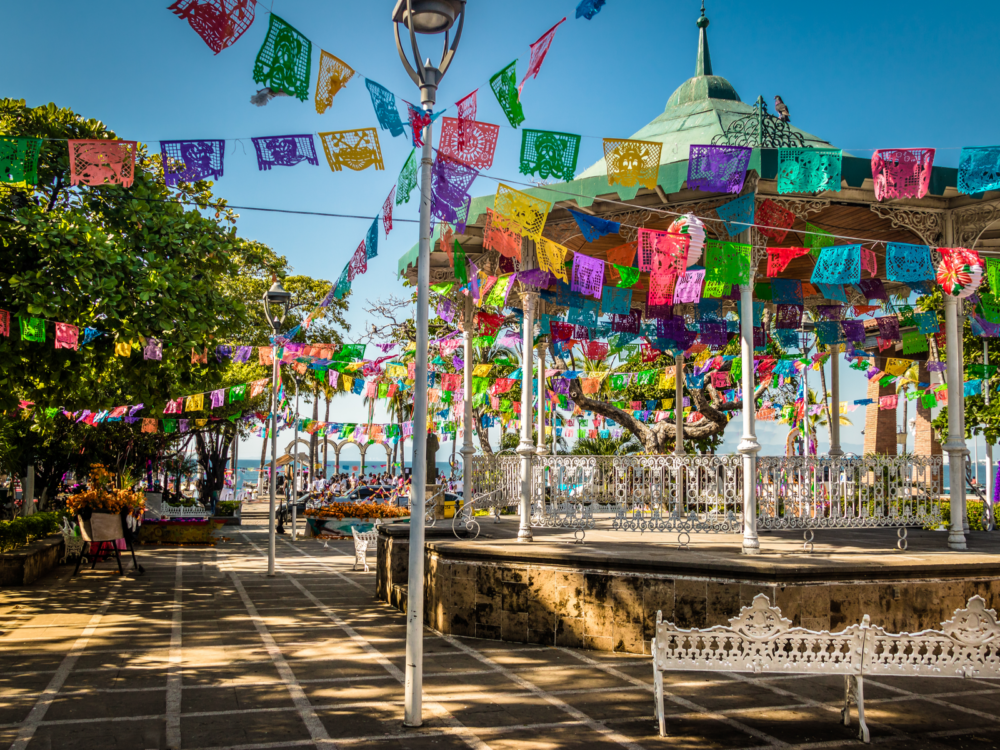
Diego Grandi/Shutterstock
Despite sitting in a Level 3 state, Puerto Vallarta’s own crime statistics are considerably better than its state-level advisory implies. The Numbeo Crime Index has historically rated Puerto Vallarta around 37-44, lower than Cancun (56) and significantly lower than Tijuana or Mexico City. Independent analyses regularly place it among the top five safest cities in Mexico.
The vast majority of crime affecting tourists is non-violent and opportunistic: pickpocketing in crowded areas, bag snatching, ATM card skimming, overcharging by unlicensed taxis, and timeshare scams. The U.S. Treasury publicly targeted a cartel-linked timeshare fraud network tied to Puerto Vallarta in early 2026, describing approximately 6,000 U.S. victims and nearly $300 million in losses between 2019 and 2023.
This is not a minor issue, timeshare and vacation ownership fraud is one of the most financially damaging things that can happen to a Puerto Vallarta visitor, and it does not involve anyone approaching you with a weapon.
Violent crime against tourists is rare but not unheard of. Cartel violence in Puerto Vallarta is almost always targeted, cartel members against each other or against those involved in the drug trade.
Tourists are bad for cartel business: incidents involving foreign visitors attract military and federal attention that cartels want to avoid. The February 2026 disruptions were a response to the killing of a cartel leader, not an attack on or even near tourist areas.
Safest Areas for Tourists
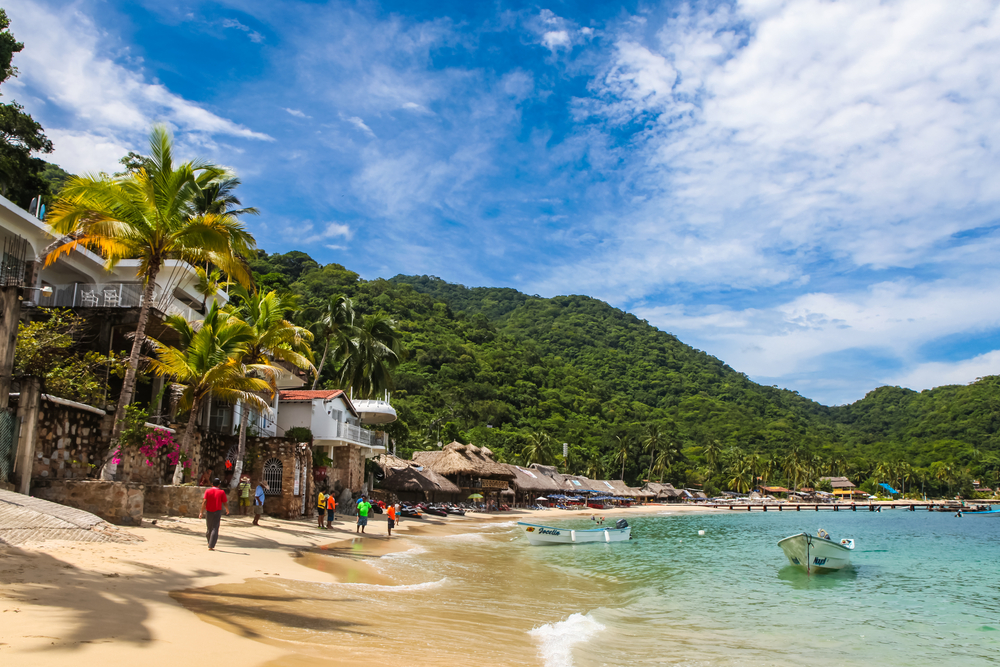
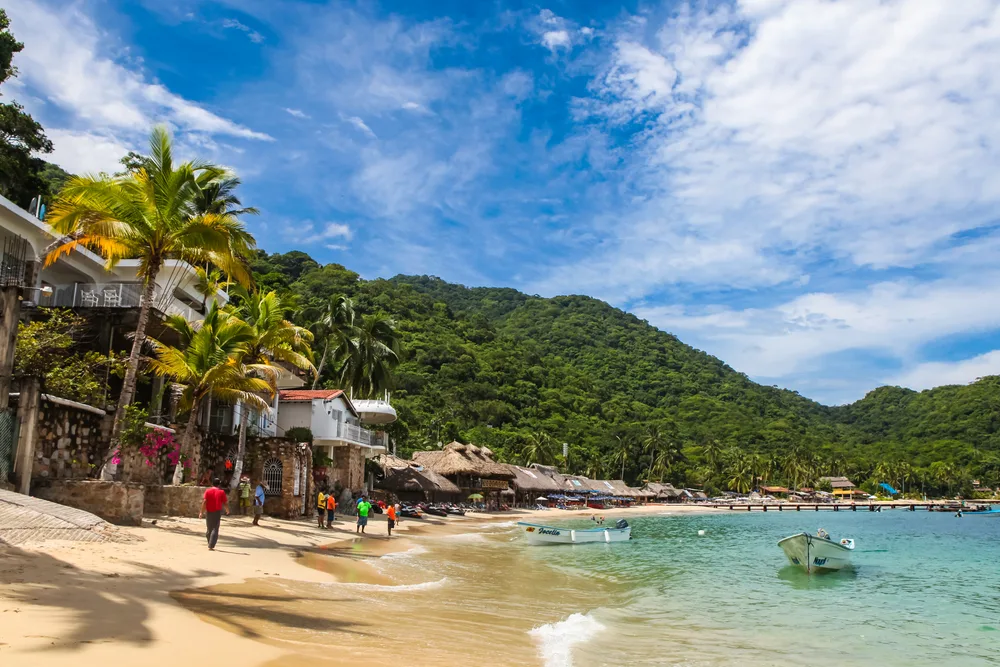
PUERTO VALLARTA, MEXICO – SEPTEMBER 10, 2015: Unidentified people at Playa Las Animas in Mexico. It is a beautiful beach in the southern zone of Puerto Vallarta/BGStock72/Shutterstock
Puerto Vallarta’s tourist corridor is well-defined and well-patrolled. Staying within it dramatically reduces risk.
- The Romantic Zone (Zona Romantica) is the most visited neighborhood and considered very safe for tourists. It is dense with restaurants, bars, shops, and people at most hours. It is also one of the most LGBTQ-friendly neighborhoods in all of Mexico, with a visible and welcoming community. Police presence is consistent, particularly around the busy streets near Lazaro Cardenas Beach.
- Marina Vallarta is a quieter, upscale neighborhood that attracts older travelers and expats. The marina area itself is calm and well-monitored, and it sits near the Hotel Zone with good access to the airport.
- The Hotel Zone (Zona Hotelera) along the northern beach strip is home to the majority of large resorts. The combination of resort security, police patrols, and tourist density makes this one of the safest places to stay in the city.
- Nuevo Vallarta, technically located across the state border in Nayarit, is one of the most insulated and secure areas in the broader Puerto Vallarta region. It is popular with American and Canadian families, features large all-inclusive resorts with strong internal security, and has a notably low reported crime rate.
- Downtown Puerto Vallarta and the Malecon are vibrant and generally safe during the day and early evening. The waterfront promenade in particular is well-lit and well-patrolled.
Areas to Avoid
- El Pitillal and neighborhoods north of the airport are primarily local residential areas with higher crime rates and no tourist infrastructure. There is no reason to visit these areas, and they should be avoided especially after dark.
- Inland neighborhoods away from the coast carry higher risk as you move away from the tourist corridor. The further from the beach and resort zones, the less police presence and the higher the incidence of street crime.
- Secondary highways after dark should be avoided when driving. Stick to Federal Highway 200 for travel between Puerto Vallarta and Nuevo Vallarta. Do not take rural or back roads at night.
Practical Safety Tips for Puerto Vallarta
- Transportation: Pre-book airport transfers through your hotel or a reputable operator. Unlicensed taxis are a meaningful risk in Puerto Vallarta, both for overcharging and occasional more serious incidents. Uber is widely used, considered safe, and is often the most practical option for getting around. Verify the vehicle and driver match the app before getting in.
- ATMs: Use machines inside bank branches or your resort. ATM skimming is common in tourist areas. Avoid standalone machines on the street, especially at night.
- Timeshares: This deserves its own warning. If anyone approaches you on the street, at a breakfast, or via phone offering free gifts, tours, or “owner benefits” in exchange for attending a presentation, walk away. The timeshare and vacation club fraud industry operating out of Puerto Vallarta has defrauded thousands of American and Canadian visitors of significant sums. No legitimate business operates this way.
- Nightlife: Puerto Vallarta’s nightlife is one of its main draws and is genuinely enjoyable. Exercise the same awareness you would anywhere, keep an eye on your drink, avoid overindulging in unfamiliar situations, travel with others when possible, and take a reputable taxi or Uber rather than walking alone late at night in quieter areas.
- Drugs: Never purchase drugs in Puerto Vallarta. The supply chain is cartel-controlled. Beyond the legal risk, engaging with it puts you in proximity to criminal networks that are currently in a period of instability following the February 2026 events.
- Valuables: Use your hotel safe. Don’t carry your passport to the beach. Keep bags in front of you in crowded areas and avoid displaying expensive jewelry, cameras, or phones unnecessarily.
- Water: Puerto Vallarta’s municipal water supply has held a certificate of purity for over 30 consecutive years, and the city’s water authority considers tap water safe to drink. That said, most visitors stick to bottled water out of habit, which is a reasonable choice. Bottled water is cheap and widely available.
- Beach safety: Pay attention to flag systems at beaches, red means dangerous conditions, yellow means swim with caution, green means safe. Riptides are a genuine risk on some beaches. Playa Los Muertos in the Romantic Zone and the beaches in the Hotel Zone are the best-monitored for swimming safety.
Is Puerto Vallarta Safe for Families?
Yes, with the right accommodations. Families who stay in the Hotel Zone or in Nuevo Vallarta’s resort corridor benefit from high levels of resort security, family-focused amenities, and well-patrolled beach areas. The main practical risks for families are the same as for any visitor, beach safety, sun and heat, and keeping an eye on belongings. The Romantic Zone is also family-friendly during the day, with good restaurants and accessible attractions.
Is Puerto Vallarta Safe for Solo Travelers?
Generally yes, with heightened awareness. Solo travelers, particularly solo female travelers, should take extra care after dark, avoid walking alone on quieter streets late at night, and be thoughtful about nightlife situations. The tourist zones are manageable with basic common sense. The tips around transportation, ATMs, and nightlife above apply with particular emphasis for anyone traveling alone.
Is Puerto Vallarta Safe for LGBTQ Travelers?
Puerto Vallarta is one of the most LGBTQ-friendly destinations in Latin America, and the Romantic Zone in particular has been an internationally recognized gay travel hub for decades. Discrimination against LGBTQ visitors in tourist areas is rare. The same general safety precautions apply as for any traveler, with the tourist zones being welcoming and actively hospitable.
Frequently Asked Questions
Hello Cinthia/Shutterstock
Let’s take a look at some common questions regarding Puerto Vallarta:
Is Puerto Vallarta safe right now in 2026?
Puerto Vallarta has stabilized following the February 22, 2026 violence triggered by the killing of CJNG cartel leader El Mencho. Shelter-in-place orders have been lifted, the airport is operating normally, and roads are clear. U.S. government staff in the city remain under a nighttime curfew as of late February 2026. The situation is calm but the surrounding context in Jalisco warrants continued monitoring. Check travel.state.gov for the latest before you travel.
What is the U.S. travel advisory for Puerto Vallarta?
Puerto Vallarta sits in Jalisco state, which carries a Level 3: Reconsider Travel advisory due to crime and kidnapping. Critically, the advisory states there are no restrictions on travel for U.S. government employees in Puerto Vallarta's tourist areas. The Level 3 reflects conditions in rural and southern Jalisco, not the tourist zones of Puerto Vallarta.
What happened in Puerto Vallarta in February 2026?
On February 22, 2026, Mexican forces killed CJNG cartel leader Nemesio Oseguera Cervantes (El Mencho) in a military operation in Jalisco. Cartel retaliation caused road blockades, flight cancellations, and a U.S. Embassy shelter-in-place directive for Puerto Vallarta and Guadalajara. The immediate crisis resolved within 48 hours. Airports reopened, roads cleared, and shelter-in-place orders were lifted. The longer-term implications for stability in Jalisco are still developing.
What are the most common crimes affecting tourists in Puerto Vallarta?
Petty theft, pickpocketing, ATM skimming, unlicensed taxi overcharging, and timeshare and vacation club fraud are the most common issues. The timeshare fraud problem in particular is serious, a U.S. Treasury-sanctioned network defrauded approximately 6,000 American victims of nearly $300 million between 2019 and 2023. Violent crime against tourists is rare.
Is Uber safe in Puerto Vallarta?
Yes. Uber is widely used, well-functioning, and generally considered the safest transportation option for getting around Puerto Vallarta. Always verify the driver and vehicle match the app before entering. For airport transfers, a pre-booked hotel shuttle or licensed operator is also a reliable option.
Is Puerto Vallarta safe for solo female travelers?
Puerto Vallarta is broadly manageable for solo female travelers who stay in tourist zones and take standard precautions. Exercise extra care after dark, use Uber or a trusted taxi rather than walking alone late at night, and be thoughtful in nightlife settings. The Romantic Zone and Hotel Zone are the most comfortable areas for solo travelers.
How does Puerto Vallarta compare to Cancun for safety?
By crime index, Puerto Vallarta has historically scored better than Cancun. However, Cancun sits in Quintana Roo, which carries a lower state-level advisory (Level 2) than Jalisco (Level 3). In practical terms, both cities have well-defined tourist corridors where most visitors have safe experiences. The state advisory difference is meaningful context worth knowing.
Is the tap water safe to drink in Puerto Vallarta?
Puerto Vallarta's municipal water supply has held a certificate of purity for over 30 consecutive years. Local authorities consider it safe to drink. Most tourists stick to bottled water out of habit, which is also a reasonable choice given that older building pipes can occasionally affect water quality.
Final Verdict
Puerto Vallarta is safe for tourists who stay in the tourist corridor, use reputable transportation, and remain aware of their surroundings. It is not, however, the simplest safety story among Mexican beach destinations.
The Level 3 state advisory is real, the February 2026 events were real, and Jalisco is entering a period of uncertain cartel dynamics following the death of El Mencho. None of this means you should cancel your trip. It means you should go informed, buy travel insurance, and stay connected to current advisories closer to your travel date.
The single most useful step you can take before and during a trip to Puerto Vallarta is enrolling in the Smart Traveler Enrollment Program (STEP), the U.S. State Department’s free service that registers your trip with the nearest embassy and sends real-time security alerts. It takes five minutes and is genuinely worth doing.