


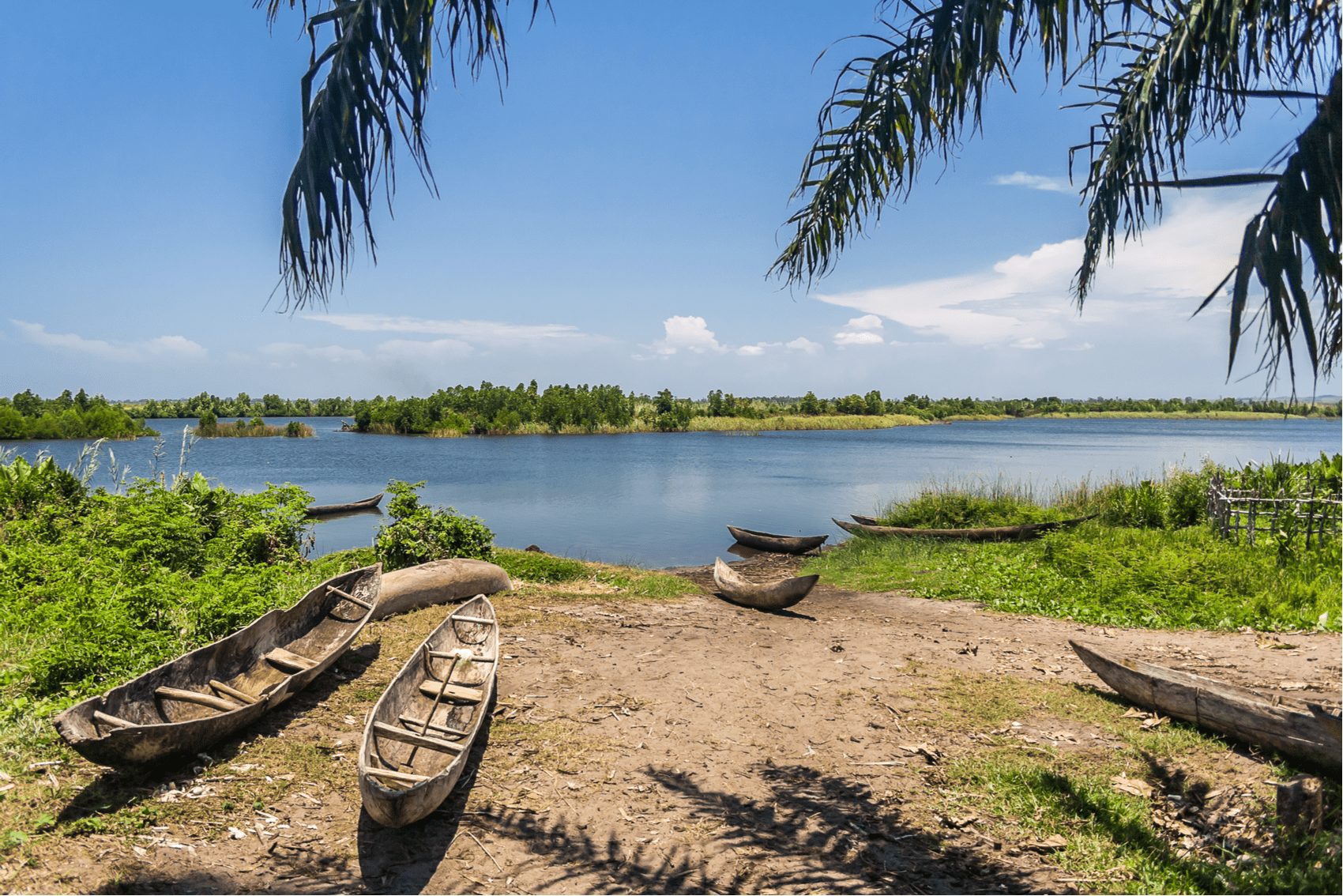
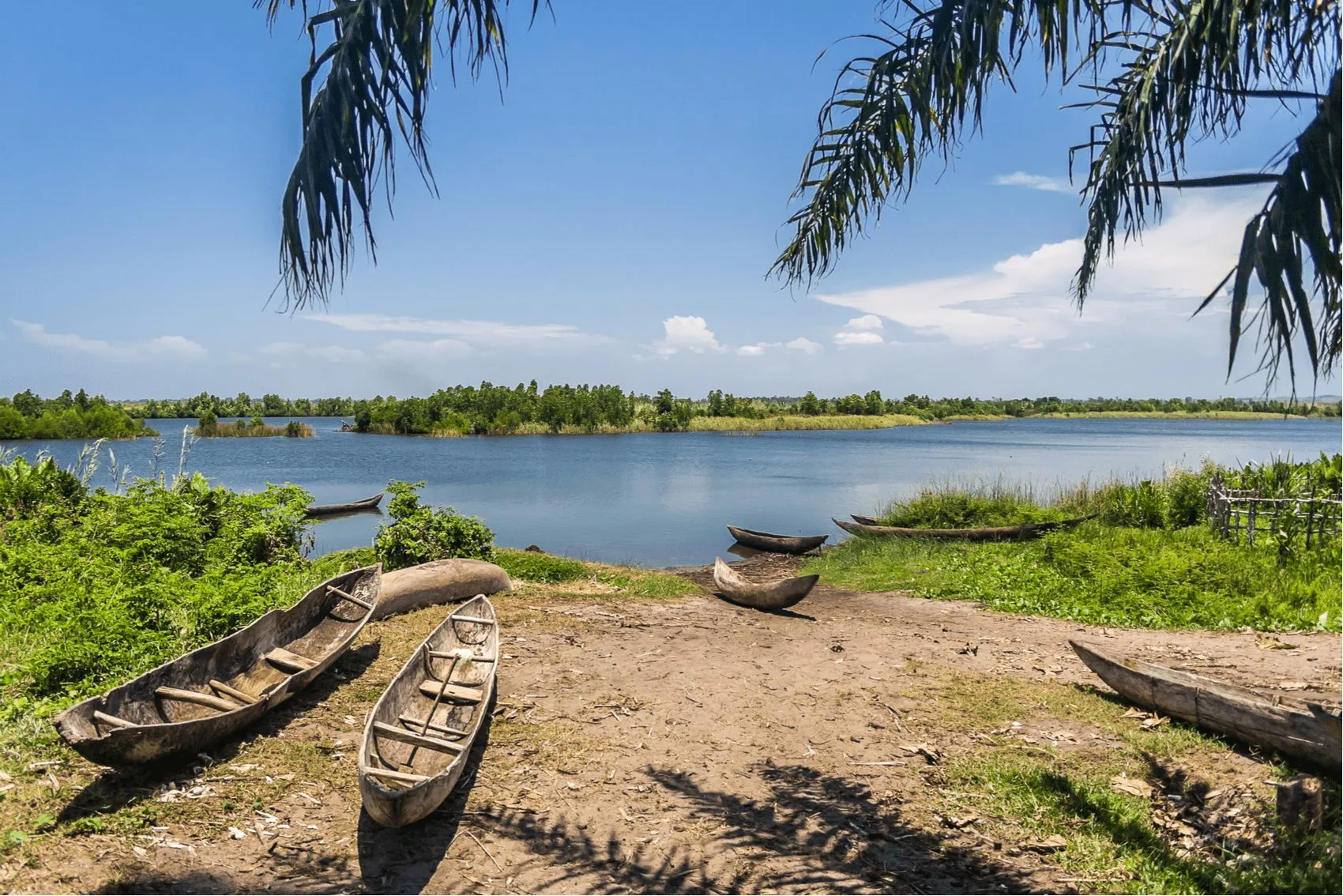
Few waterways on Earth pack in as much history, biodiversity, and sheer scale as the Pangalanes Canal. Stretching along Madagascar’s eastern coast, it’s a paddler’s dream and a living record of the island’s colonial past, all in one.
Overview
Running 645 kilometers from Farafangana to Tamatave, the Pangalanes Canal is an artificial waterway first constructed in the 16th century under order of the Merina monarchy. The goal was to link remote towns that were nearly impossible to reach by land, and to open trade routes that bypassed the often treacherous waters of the Indian Ocean.
When France took control of Madagascar in 1896, General Joseph-Simon Gallieni ordered further construction to speed up supply routes for inland troops and improve navigation to Toamasina, capital of the Atsinanana region. His additions took eight years to complete; by 1904, even small scows and barges could reach the trading port of Tamatave with ease.
The canal became a major artery for moving spices, minerals, coffee, and vanilla, while also supporting fishing and foraging for the communities along its banks, including Mananjary, Mahanoro, Vatomandry, Ambila, and Manambato. Today, it draws a different kind of traffic: travelers looking to paddle through everything from narrow inlets to open lakes wide enough to feel like open ocean, minus the waves.
Of its full 645-kilometer length, only about 400 kilometers are navigable. The rest splinters into smaller creeks and streams thick with water hyacinths, which serve as crucial breeding grounds for waterfowl and other aquatic life.
Must-See Sights
The mystical Vato Sarilambo
About 50 kilometers north of Mananjary, in the village of Ambohitsara, stands a chlorite schist sculpture known as the Vato Sarilambo, or Vatolambo. Depending on who you ask, it depicts either a bush pig or a tusked white elephant. Its origins are just as disputed: some attribute it to Indian traders from Mangalore passing through in the 9th century, others to Arab traders active in the 12th century. Whatever its true history, it remains an extraordinary piece of ancient craftsmanship worth seeking out.
Sakaleona Falls, Madagascar’s tallest waterfall
At 200 meters, Sakaleona Falls is the highest waterfall in the country, set along the Sakaleona River in the southeastern Vatovavy-Fitovinany region. Beyond its photogenic plunge pool and resident birds, lemurs, and reptiles found only on the island, it’s also a favored camping spot for outdoor enthusiasts.
Sambatra: the coming-of-age feast
Every seven years, the Antambahoaka tribe holds the sambatra, a collective circumcision ceremony marking boys’ passage into manhood. Overseen by male tribal elders, the ritual can involve more than a thousand participants and follows the Antambahoaka agricultural calendar for timing. Tradition holds that participants must not shed a single tear, a test of bravery believed to secure favor from the gods and a bountiful harvest. The Antambahoaka, Madagascar’s smallest tribe by population, trace their ancestry to King Raminia Rabevahoaka, said to have arrived from Mecca in the 14th century, and share cultural ties with the partly Arab Antaimoro tribe.
The Best Activities Along the Pangalanes Canal
Whether you’re drawn to boating, kayaking, rafting, or simply cruising past extraordinary wildlife, the Pangalanes Canal belongs on any Madagascar itinerary.
Explore Manambato by boat
Set on the banks of Lac Rasoabe, Manambato is a common entry point to the canal and worth a stop in its own right, with an untouched white-sand beach and lush vegetation that hosts nesting sites for the Alaotra grebe, the Madagascar plover, the Madagascar shelduck, and the Malagasy sacred ibis. Its calm 30-kilometer waterway makes it a favorite for boating and kayaking, and dirt trails leading to nearby hills offer sweeping views over the canal. Visit between April and early November, just ahead of monsoon season, when rain and wind are both at their lowest. Sun protection, gaiters, and mosquito repellent are all worth packing for the narrower inlets.
Soak up Ambila’s colonial atmosphere
In the Manakara district, Ambila was once a popular retreat for French colonists, prized for its dense woodlands, abundant marine life, and notable population of large reptiles. It even became an informal gathering spot for crocodile hunters swapping stories along the canal’s banks. Many colonists built second homes here in classic colonial style; while plenty fell into neglect after France’s withdrawal, several have since been restored as spas and hotels. The town still carries a faded, old-world charm that appeals to nature lovers and architecture enthusiasts alike. Plan your visit for June through August, the driest months; April through September tends to bring heavier rain.
Rough it out at Sakaleona Falls
Visitors often describe Sakaleona Falls as feeling like a trip back in time. Beyond its status as Madagascar’s tallest waterfall, the surrounding forests, rock formations, and summits host plant, bird, lemur, amphibian, and reptile species found nowhere else on the planet. A day hike with a swim works well for shorter visits, while multi-day camping trips with a guided jungle tour suit those wanting to go deeper.
For day hikes, bring at least a liter of water per person and reliable headwear; the sun is strongest between 9 a.m. and 2 p.m. Pants and thick socks help keep bugs off your ankles. If you’re camping, pack a well-ventilated summer tent, since humidity tends to spike just after sunset, and bring trail mix to stay fueled on the more demanding terrain.
Soak up sun and waves in Mananjary
Mananjary stands out along the canal for having separate sea and river outlets that exist independently of each other, each supporting different fish and marine life. Unlike a typical estuary, the river outlet stays deep even when the sea outlet hits low tide, giving visitors the choice between freshwater and saltwater adventures in the same town.
Or simply relax on the beach with Malagasy specialties like tilapia à la Malagasy or lobster in vanilla sauce. Once a historic trading post for spices and gemstones, Mananjary has become a rising spot for kitesurfing and windsurfing thanks to its steady waves and cool sea breeze, and it’s not unusual to see locals and visitors skimboarding along the shore.
Getting Around the Canal
Navigating the Pangalanes Canal means hopping on a watercraft, and your choice should depend on the weather and your comfort level on the water. Hotels in Ampitabe and Rasoabe can usually arrange an excursion through their front desk, or you can hire a local boatmaster directly at the ports and docks.
Most boats on the canal are wooden outriggers with a tarpaulin roof. They look simple, but their maneuverability makes them the best option for most trips. For a more adventurous ride, you can travel by pirogue, a long, narrow wooden canoe, though they’re built entirely from hardwood with no cushioning, so bring a blanket or something to sit on if a long stretch on the water is in your plans.
Where to Stay
You’ve got two main options: a hotel right on the canal’s banks, or a base in a nearby city with day trips arranged from there. Here are two reliable, budget-friendly picks directly on the water.
Hôtel Rasoa Beach
Set on the shores of Lac Rasoabe, this hotel offers seven bungalows accommodating 2 to 6 travelers, built from a blend of modern and indigenous materials for simple, no-fuss comfort. Guests frequently praise its cleanliness and practicality. There’s no high-speed internet or big-city amenities, but it more than makes up for that with tranquility.
- Tel: +261 20 56 720 18
- Address: Manambato, Lac Rasoabe, Canal des Pangalanes, Madagascar
Le Reseda
Located in Antanambahiny, Le Reseda delivers solid 2-star comfort without a high price tag. Its bungalows have a homey feel, and the serene setting adds an extra layer of restfulness. Internet and streaming aren’t available, but that trade-off tends to deepen the sense of relaxation rather than detract from it.
- Tel: +261 20 53 822 05
- Address: Antanambahiny-Vatomandry, Madagascar